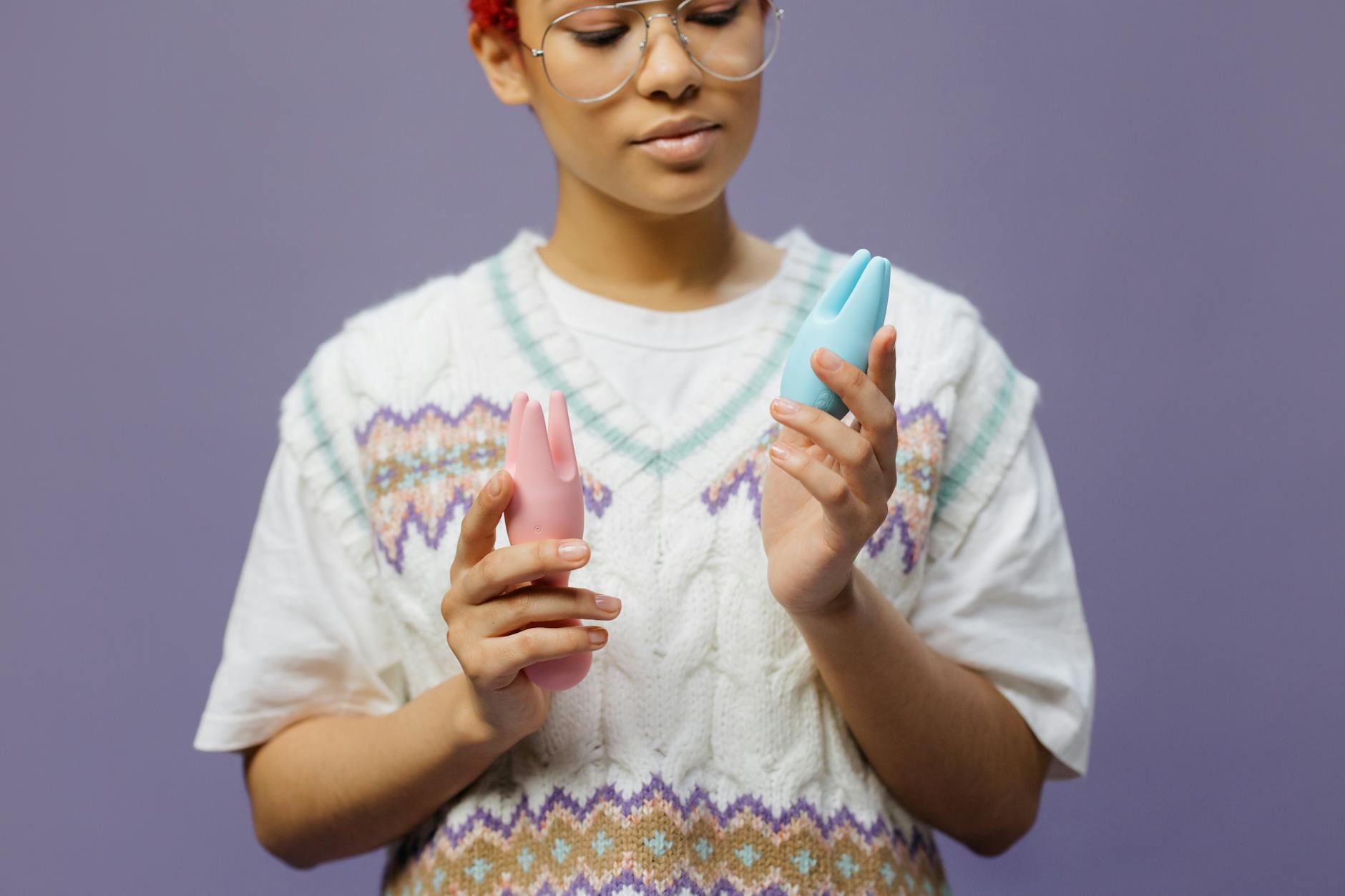
How Lemon Vibrators Improve Pleasure When Recovering From Vestibulodynia
Pain during touch isn't a life sentence. Here's why clitoral suction works differently than traditional vibrators, and how The Lem helps you rebuild sensation without triggering pain.
Let's be real: vestibulodynia is isolating. The vestibule—that sensitive tissue just inside the vulva—becomes inflamed and hypersensitive, turning even light contact into burning, stinging pain. Sex becomes something you dread instead of desire. And the worst part? Most people don't talk about it, so you end up thinking you're broken when you're actually dealing with a treatable condition that affects far more people than you'd expect.
Here's what I need you to know: pain during pleasure isn't permanent, and pleasure isn't off the table while you heal. It's just different. The key is finding ways to stimulate your clitoris without triggering the vestibular pain that's been conditioning your nervous system to brace for pain whenever touch happens.
That's where clitoral suction devices like The Lem change the game.
Standard vibrators apply direct pressure and friction to tissue that's already inflamed and hypersensitive. Even on low settings, that mechanical stimulation can reactivate pain signals, which sends your nervous system back into protective mode. Your pelvic floor tightens, arousal stops, and the cycle reinforces itself: touch equals pain, so your body learns to shut down.
The problem isn't vibration itself. It's where it's applied and how. A lemon vibrator with direct contact on sensitive tissue is often the opposite of what your nervous system needs during recovery.
Clitoral suction devices use negative pressure instead of direct contact. The Lem creates a gentle seal around the clitoral head and uses rhythmic suction patterns to stimulate nerve endings without friction, pressure, or direct touch on the vestibule itself.
This matters for three reasons:
1. You control the pressure gradient. Unlike traditional vibrators, you can start at the gentlest setting—so gentle it feels more like a soft pulse than a vibration. This allows your nervous system to register pleasure without triggering the pain alarm.
2. The stimulation is indirect. Because suction works on the clitoral glans and hood, it bypasses the vestibular tissue entirely. You're not putting pressure on the inflamed area that's been sending pain signals. You're stimulating the clitoris in a way that doesn't require touching the tissues that hurt.
3. Sensation builds gradually. Suction creates a different arousal arc than friction-based vibration. Many people report that pleasure unfolds slowly, which gives your nervous system time to trust that touch equals sensation, not pain. That's nervous system retraining happening in real time.
Vestibulodynia isn't just a tissue problem. It's a pain sensitization problem. After months or years of pain, your nervous system has learned that touch in and around the vulva is dangerous. Your amygdala (the brain's alarm system) activates before sensation even registers as potentially pleasurable.
Recovering from that requires gently teaching your nervous system that some touch is safe and can feel good. A clitoral suction device is a tool for that teaching process.
When you use The Lem consistently at low intensity, something shifts. Your brain starts associating gentle stimulation with pleasure rather than pain. The pelvic floor relaxes. Arousal returns. The pain signals quiet down. This isn't mystical. It's neuroplasticity: your brain is literally rewiring its response to touch based on new, positive evidence.
If you're recovering from vestibulodynia, here's what I recommend to patients:
Start absurdly low. The first setting on The Lem should feel almost imperceptible. Not boring, but subtle. If you feel any sensation that remotely resembles the old pain, stop and move to an even lower intensity the next time.
Use lube, even though suction creates its own seal. A water-based lubricant reduces any friction around the base of the device and makes the sensation feel more gliding than sucking at first. As you heal, you can use less or none.
Keep sessions short at first. Five to ten minutes is plenty. The goal isn't orgasm. The goal is nervous system safety and pleasure rediscovery. Extend duration only when your body signals you're ready.
Create a calm, predictable environment. Vestibulodynia recovery is fragile. Your partner sleeping in the next room, kids potentially walking in, or any distracting noise can pull your nervous system back into alert mode. Give yourself the space to feel safe.
Warm up your pelvic floor first. Before using The Lem, spend two minutes breathing deeply and deliberately relaxing your pelvic floor. This isn't Kegels. It's the opposite: releasing tension. A tight pelvic floor amplifies pain signals. A relaxed one opens the door to pleasure.
As your nervous system recalibrates over weeks or months, something interesting happens. Suction doesn't just feel safe—it starts to feel incredibly good. The pleasure arc deepens. Orgasms, if they return, often have a different quality: more focused, sometimes more intense, because you're not distributing sensation across a wide area of painful tissue.
Many people also find that the clitoral suction approach continues to work better even after vestibulodynia symptoms resolve. The reason is simple: you're not triggering scar tissue or inflammation. You're just using the tool that your body has learned to trust.
Here's the thing about vestibulodynia and penetration: penetration activates the vestibular tissue directly, so it's often the last thing to feel good again. Some partners get frustrated by this timeline. Some people feel guilty for not being able to do penetration while healing.
Don't. A clitoral device like The Lem can be your entire sexual experience for as long as you need it to be. If you want to include penetration, wait until your pelvic floor is consistently relaxed and your nervous system associates vulvular touch with pleasure, not pain. That usually takes three to six months of consistent, positive stimulation. Rushing it resets your healing timeline.
Clitoral suction devices are powerful tools for nervous system retraining, but they're not medical treatment. If you have vestibulodynia, you should also be working with a pelvic floor physical therapist. They'll help you release the muscular tension that perpetuates pain, and they can monitor your healing progress.
Many people find that the combination works best: PT for tissue healing and pelvic floor relaxation, and a device like The Lem for pleasure recovery and nervous system retraining. They're working on the same problem from different angles.
If your doctor hasn't referred you to pelvic floor PT, ask for it. Vestibulodynia is treatable, and the right combination of approaches—professional and personal—is how most people get their pleasure back.
Every person is different, but most people start noticing a shift after four to eight weeks of consistent, gentle stimulation with a clitoral device. The pain doesn't disappear overnight, and neither does pleasure. Both shift gradually. Some people report significant improvement in three months. Others need six. The key is consistency and patience, not intensity.
Not if you use it correctly. The reason suction works is that it bypasses the vestibular tissue. If you're experiencing flare-ups, you're either going too high in intensity too quickly, or your pelvic floor is too tense when you start. Dial the intensity down further and spend more time on pelvic floor relaxation before using the device.
Yes. Your nervous system has learned to block sensation in this area as a protective measure. Feeling nothing at first is actually your body doing its job. Over time, as you signal safety through repeated, low-intensity stimulation, sensation returns. It's not broken. It's just reorienting.
You don't have to. Your pleasure recovery is your choice. That said, if you're in a partnered relationship, it often helps to tell them something: "I'm working on healing, and this tool is helping me rebuild sensation and get pleasure back." You don't need to explain the mechanics or the science. You just need them to know that this is part of your healing, not a rejection of them.
Yes, as long as using it doesn't cause new pain or flare-ups. If it does, pull back. Start even gentler. The goal is pleasure without triggering your pain response. Some days that might be ten seconds. Some days it might be five minutes. Honor what your body tells you.
If the device you used before is a traditional vibrator that applies friction, I'd recommend switching to a clitoral suction approach like The Lem while you're healing. Once you're fully recovered and pain is gone, you can experiment with other options. But during recovery, the device that doesn't trigger pain is the one that works.
Vestibulodynia steals pleasure. It teaches your body to brace for pain instead of opening to sensation. But your body's capacity for pleasure isn't broken. It's just been redirected by a protective nervous system doing its job.
Clitoral suction offers a way back. Not around the pain, but through it, in a way that slowly rewires your nervous system to trust touch again. It takes patience. It takes consistency. And it absolutely works.
If you're in this recovery process right now, you're not broken. Your nervous system is learning something new. And sensation, pleasure, and orgasm are waiting for you on the other side. I've seen it happen too many times to doubt it.