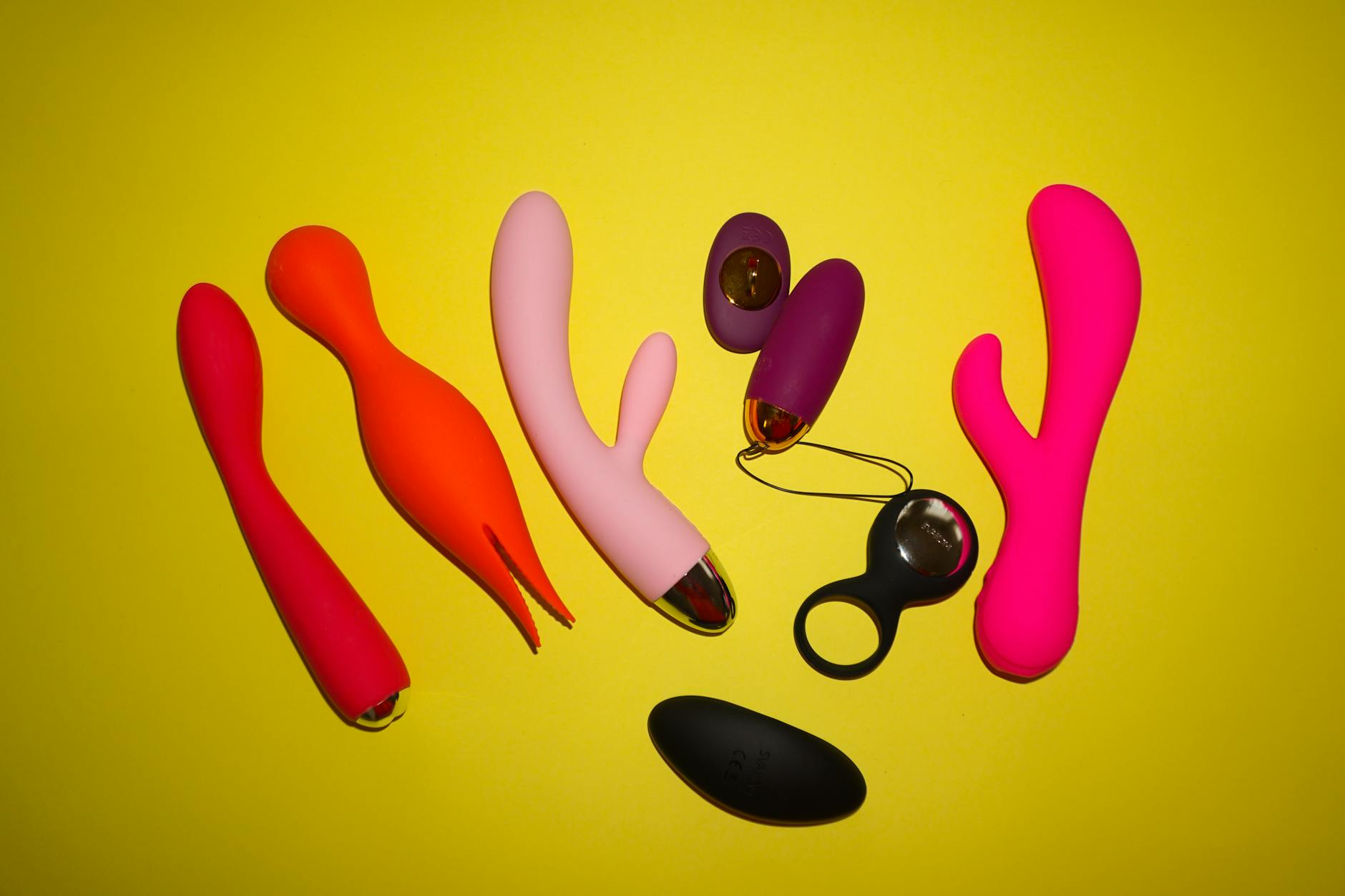
How to Introduce Lemon Vibrators to a Partner Who's Never Used Toys
The conversation starter you've been avoiding, the timing that actually works, and why a clitoral vibrator like the Lem often strengthens couples instead of threatening them.
Most people don't actually fear the toy itself. They fear what suggesting it means. For a partner who's never used vibrators, hearing "I want to try a lemon vibrator" can land as "You're not enough" or "Something's wrong with what we're doing." That's rarely what you mean. But shame and misunderstanding live in that gap, and that gap grows wider when you don't address it head-on.
I've worked with hundreds of couples navigating this exact moment. The ones who move through it smoothly don't have better communication skills necessarily. They just decide early that the conversation matters more than the discomfort of having it.
There's no perfect moment. You can wait for a theoretical "better time" indefinitely. What actually works is choosing a moment that's calm and intimate but not actively sexual. That matters.
A lot of people try to introduce a toy mid-foreplay or as a surprise during sex. That's almost always a mistake. In that moment, your partner is already in a groove, their brain is wired for the dynamic you've established, and a new element feels disruptive rather than exciting.
Instead, bring it up during a relaxed evening. After dinner. On a walk. In bed on a Sunday morning when there's no agenda. The key is: not horny, not rushed, not in the middle of anything. Your nervous system needs space to think, and so does theirs.
"I've been thinking about trying something new with you, and I want to be honest about it. I read about clitoral vibrators, and I'm curious about how they feel. I'm not suggesting this because anything is wrong with us. I actually think it could feel really good for both of us. Would you be open to exploring that together?"
Notice what's in that framing:
You're owning the desire ("I've been thinking").
You're naming the thing specifically (not "something").
You're separating the tool from your relationship ("doesn't mean anything is wrong").
You're framing it as collaborative ("together").
You're asking permission ("Would you be open").
Don't frame it as a solution to a problem. Don't frame it as something your friend suggested or something you read online (people hear "external pressure"). Don't apologize for the idea itself. Confidence here matters. You're not asking permission to have a thought. You're inviting them into an experience.
Some partners will say no. Not because there's something wrong with them. Because they're not ready, or they have past trauma, or they genuinely don't want that in their sex life. All of those are legitimate.
If that happens, don't push. Genuinely don't. Instead, ask what they're concerned about. Is it about the toy itself? About what it means for the relationship? About pleasure dynamics? Shame about their body? Listen to the actual concern, not the surface rejection.
Often, revisiting the conversation in three months or six months opens a different door. People's comfort changes over time. But the move here is patience, not persuasion.
Some partners warm up when they understand what a lemon clitoral vibrator actually does. Not all vibrators work the same way. A lemon vibrator like the Lem uses gentle suction and pulse patterns, not just raw vibration. It's targeted stimulation, and for most people with vulvas, it's significantly more effective than penetration alone.
You might say: "It's not about replacing anything we do. It's about adding a sensation that's really specific to how the clitoris responds. Most people have never experienced this exact kind of stimulation."
That reframe matters. You're not saying "I need this to finish." You're saying "I want to discover something together."
Once you've agreed to try it, take the pressure off the first time. Don't make it The Big Deal. Maybe you explore it together with clothes on first. Maybe they watch you use it alone, which can actually be incredibly intimate and help them see your pleasure building.
When you do incorporate it into partnered sex, let it be additive, not replacement. The Lem works beautifully if one partner is touching your partner while you use it on yourself. Or they can use it on you. It's not either/or. It's a new variable.
That said, some people find that the intensity of clitoral stimulation changes the dynamic in ways that are uncomfortable at first. More arousal can mean the desire for penetration shifts. Orgasms might come faster or feel different. Talk about what's happening. None of it is wrong. It's just different, and different takes adjustment.
Here's what I notice with couples who integrate toys successfully. After the first few times, something shifts. The person who was hesitant often becomes the one who wants to use it more frequently. Not because they're addicted. Because they realize their partner's pleasure matters more than their ego.
That's enormous. That realization that "your orgasm is hot to me and I want you to have a really good one" is actually relationship-deepening. It's vulnerable in a different direction.
At the same time, watch for the person who wanted the toy to suddenly feel like it's a requirement. It's not. The Lem should feel like a choice, not a checklist item. If you find yourself using it every single time to finish, you might be trading one kind of pressure for another. Balance matters. Sometimes sex is about the toy. Sometimes it's not.
Some people wait for you to suggest it because they don't want to seem demanding or "too into" sex. If your partner seems hesitant but curious, you might offer: "We could explore some things together if you want. No pressure either way, but I'm open to it."
That opens the door without putting them on the spot. They can come back to it when they're ready.
Couples who explore new things together, including toys, report higher satisfaction and lower rates of infidelity. That's not because the toy is magic. It's because the act of stepping outside the familiar together requires vulnerability, communication, and mutual permission. Those are the exact ingredients for long-term connection.
A lemon vibrator isn't saving your relationship. But the conversation you have about one might be. And honestly? That conversation is where the real intimacy lives.
No. But consistent reliance on any single stimulus can create a neural pathway preference. The solution is variety, not avoidance. Some sessions with the toy, some without. Some with solo exploration, some partnered. Pleasure is like music. Listening to only one song on repeat gets boring. Range keeps it alive.
Your nervousness is valid, and it's worth naming it. Is it about shame? Worry that you're "not enough"? Fear that penetration will feel different? Body image concerns? Each one has a different answer. Talk about the specific fear, not just the vague discomfort. Once you name it, your partner can actually address it.
It won't, as long as the conversation comes from a place of genuine curiosity, not resentment or pressure. If you're suggesting it as a solution to an existing problem (you're not enjoying partnered sex, things have gone stale), address that first. The toy won't fix disconnection. But if your foundation is solid, a shared exploration often strengthens it.
You can absolutely use one toy together. One partner can use it on the other. You can both take turns. Some couples prefer their own tools so there's no negotiation about pressure, speed, or timing. Either approach is fine. It depends on what feels intimate to you both.
That's information. Sometimes clitoral stimulation satisfies the need for orgasm so thoroughly that penetrative sex feels like extra work. Some people prefer to end with that sensation. That's not a failure. That's your bodies telling you what they actually want. The goal isn't a specific sequence. It's mutual pleasure.
Longer relationships often have deeper patterns, which means novelty can feel destabilizing. The script still works. You're not suggesting the toy because something is broken. You're suggesting it because you want to stay curious about each other. That's actually more true for long-term couples than newer ones. Desire doesn't disappear over time. It evolves, and it needs tending.
Introducing a lemon vibrator isn't about the toy. It's about saying, "I care about your pleasure. I'm willing to be a little vulnerable about mine. And I want us to explore what feels good together." Those conversations, the ones that require you to speak up and your partner to listen, are where trust gets built.
If this conversation feels hard, that might mean the foundation of communication in your relationship needs attention before you add anything new. That's not a reason to abandon the idea. It's a reason to start with the talking, not the toy. A relationship coach or couples therapist can help with that groundwork. Your pleasure, your partnership, and your honesty all deserve that investment.
The Lem vibrator is excellent. But your willingness to be honest with your partner is the real thing worth celebrating here.