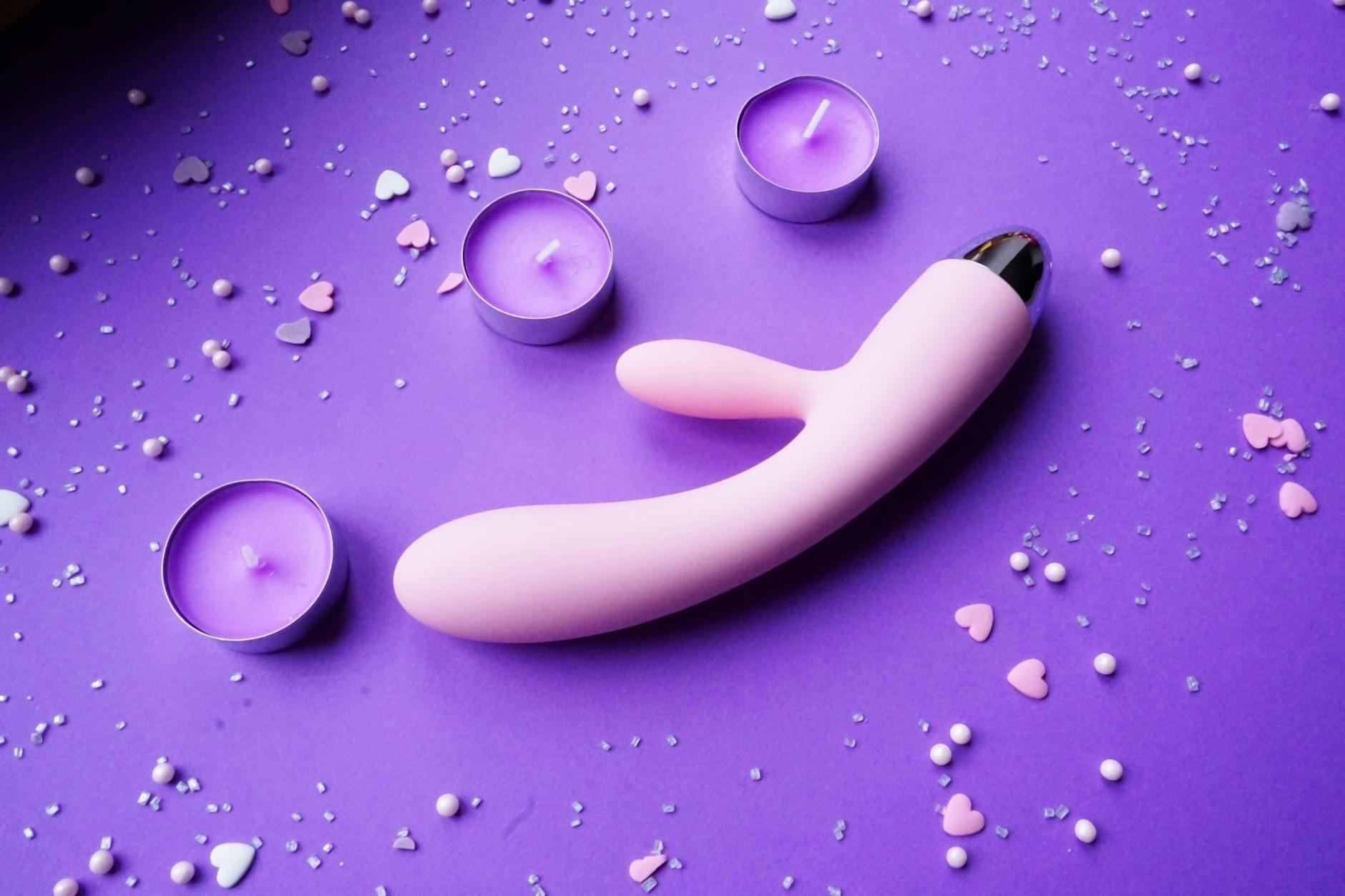
How to Use Lemon Clitoral Vibrators if You Have Sensitive Skin
Sensitive skin doesn't mean giving up pleasure. Here's exactly how to prep, choose, and use a lemon clitoral vibrator without irritation or discomfort.
Sensitive skin is wildly common. Eczema, rosacea, vulvovaginal irritation, contact dermatitis, or just naturally reactive tissue. The bad news: most people assume they can't use a lemon clitoral vibrator safely. The good news: that's completely untrue. You absolutely can. It just takes a slightly different approach.
I work with plenty of clients who have sensitive skin, and the ones who do their prep work report the most reliable, comfortable pleasure. That's not a coincidence. Sensitivity requires intentionality. And intentionality, honestly, often leads to better sex.
Suction-based toys like the Lem vibrator work differently than traditional vibrators. Instead of rapid buzzing against delicate tissue, suction creates a gentler, more diffuse stimulation. For sensitive skin, this is actually an advantage. There's less direct friction, less mechanical trauma, and more room to control intensity through pattern and positioning.
That said. Material matters. Finish matters. Lubrication matters. Settings matter. Get those four things right, and you're golden. Miss even one, and you'll regret it.
The Lem vibrator is medical-grade silicone. That's your baseline. Medical-grade silicone is hypoallergenic, non-porous, and doesn't absorb bacteria or lube residue the way porous materials do. If you're shopping for any clitoral vibrator with sensitive skin, medical-grade silicone is the bare minimum.
But here's the detail people miss: the finish matters as much as the material. Even silicone can have a slightly rough texture depending on how it's manufactured. Run your finger along the contact area. It should feel buttery smooth. If it feels even slightly grabby or textured, keep looking.
The Lem's design includes a soft, smooth rim that makes contact with your skin. That's intentional. A rougher edge would be fine for most people. For sensitive skin, it's the difference between comfort and irritation.
Before you use any new toy with sensitive skin, do a 48-hour patch test.
Here's how: apply the toy's contact surface to a patch of sensitive skin (inner arm, inner thigh, anywhere you trust as representative) for 30 seconds. Let it sit for 48 hours. If you see redness, itching, burning, or any reaction, you've caught a problem before it happens during sex. It's not the toy. It's the interaction between your skin and whatever's on the toy's surface. Wash it thoroughly with warm water and fragrance-free soap, then test again.
Most of the time, you'll pass with flying colors. But this step takes two minutes and prevents hours of regret.
Use a water-based lube specifically formulated for sensitive skin. Look for formulas that skip glycerin, parabens, and fragrance. Hypoallergenic brands that cater to eczema-prone or easily irritated skin are your friend here. Apply generously to both the toy's contact surface and your skin.
Reapply halfway through. Seriously. Lube reduces friction, buffers the toy's contact, and gives your body room to respond without mechanical irritation. Dry contact is where things go wrong.
One thing: do not use silicone-based lube with a silicone toy. Silicone lube degrades silicone materials over time. Stick to water-based. Yes, it requires reapplication. That's not a bug. That's a feature.
The Lem vibrator has settings 1 through 10. Start at 1. I mean it. Conventional advice for new toys is often "find the setting you like." For sensitive skin, that's dangerous. Your tissue hasn't been primed. Your nervous system hasn't calibrated to the sensation. Your body needs time to learn what this feels like.
Spend 5 to 10 minutes at pattern 1. Just explore. Let your body adjust. Once you feel stable, bored even, try pattern 2. The jump from 1 to 2 is subtle. You're not looking for fireworks on day one.
This gradual approach does two things. It prevents overstimulation and tissue microtrauma. And it actually deepens pleasure over time because your nervous system learns to recognize and respond to the sensation without defensive tightening.
Sensitive skin responds better when tissue is already aroused and blood-flow rich. That means extended foreplay before you bring the toy in.
15 to 20 minutes of hands, lips, or partner touch. Let your body warm up. Let blood flow to the area. Aroused tissue is more resilient, more responsive, and less easily irritated. It's not that you're being patient. You're physically preparing your body for what's coming.
If you're using the toy solo, this is a perfect time to focus on what feels good without the toy. Mental arousal matters too. By the time the Lem vibrator makes its entrance, you're already partway there. That context shift changes everything.
Where you point the toy matters. The most sensitive part of the vulva is usually the opening of the urethra and the inner labia. If you angle the toy there directly, you might get irritation. Instead, angle it slightly away from the most delicate tissue. Toward the clitoral glans, slightly to one side.
This isn't about avoiding pleasure. It's about distributing stimulation across a broader area so no single spot bears all the pressure. You'll probably find you get more sustained pleasure this way anyway. Focused intensity is great when tissue is hardy. Distributed intensity is more comfortable and often more effective when skin is sensitive.
Here's something nobody talks about: sensitive skin needs recovery time between sessions.
Using the Lem vibrator four times a week? You can probably do that comfortably. Using it twice a day every day? Your tissue will get cranky. Plan for at least one full day between sessions, more if you're new to using vibrators with sensitive skin. This gives your tissue time to calm down and reset.
During recovery days, keep the area clean with warm water and fragrance-free products. Wear breathable underwear. Avoid tight pants that might cause irritation from friction. Treat it like you're healing from a small wound. Because mechanically, a little bit of that's happening.
If you do get redness, itching, or burning, stop immediately. Don't push through it hoping it'll pass.
Rinse the area with cool water. Pat dry with a clean towel. Apply a fragrance-free moisturizer or barrier cream if you use one for sensitive skin elsewhere on your body. Take a break from the toy for at least 48 hours. Then troubleshoot: Was it the lube? The intensity? The duration? The material? Test one variable at a time by doing a fresh 48-hour patch test with different lubes or different settings.
Most irritation is temporary and fixable. But respect your body's signals. Sensitivity is information. It's your nervous system saying "adjust something here." Listen to it.
People with sensitive skin often avoid toys entirely because they assume pain or irritation is inevitable. But avoiding pleasure isn't the answer. Using tools thoughtfully, with prep and intentionality, is.
When you get the protocol right, sensitive skin often means more nuanced, responsive pleasure because you're forced to pay attention. You can't sleepwalk through this. That attention builds better connection to your own body. Better knowledge of what works. Better outcomes. Better sex.
Your sensitivity isn't a limitation. It's a feature.
Yes, but with extra care. Eczema flares respond poorly to friction and irritation, so follow the prep protocol closely. Use a patch test. Extend your pre-arousal time. Keep intensity low. If you're in a flare-up right now, wait until it's calmed down before introducing the toy. Your dermatologist or gynecologist can confirm when it's safe to resume.
Irritation is mechanical or chemical sensitivity. It shows up as redness, itching, or burning during or shortly after use. Allergy is an immune response. It usually appears 24 to 48 hours after contact and often includes swelling, hives, or intense itching that spreads beyond the contact area. If you suspect allergy, skip the product and see a doctor. If it's irritation, troubleshoot the settings, lube, or duration.
Medical-grade silicone is hypoallergenic for the vast majority of people. True silicone allergies are extraordinarily rare. But reactions aren't always allergies. Sometimes it's the finish, the lube, or mechanical irritation from intensity or duration. If you react to medical-grade silicone itself, talk to an allergist before trying other materials.
No. Numbing cream masks pain signals. If something's irritating you, numbing it means you won't know until damage is done. Pain and discomfort are protective messages. Honor them. If you need numbing cream to use a toy comfortably, the toy or the technique needs to change. Not your sensitivity.
Most people with sensitive skin can comfortably use a lemon clitoral vibrator regularly within 2 to 4 weeks of following this protocol. Your tissue adapts. Your nervous system calibrates. But this timeline varies. Some people are comfortable week one. Others need 8 weeks. There's no rush. Slow and steady builds better long-term pleasure.
If you have an active skin condition, diagnosed vulvovaginal sensitivity, or recent surgery, yes. A quick check-in with your gynecologist or dermatologist takes the guesswork out. Most doctors are fine with vibrator use as long as you're not in an active flare-up or healing period. It's a straightforward conversation.
Sensitive skin doesn't lock you out of vibrator pleasure. It just means you need a plan. A patch test. The right lube. Gradual intensity. Extended foreplay. Respect for recovery time. When you build that structure, you often end up with more reliable, more nuanced pleasure than people who can blast away at full intensity without consequences.
Your sensitivity is precision. Use it that way.
If you have questions about how lemon vibrators or other toys fit into your specific skin situation, reach out to our team. We're here to help you find what actually works for your body.