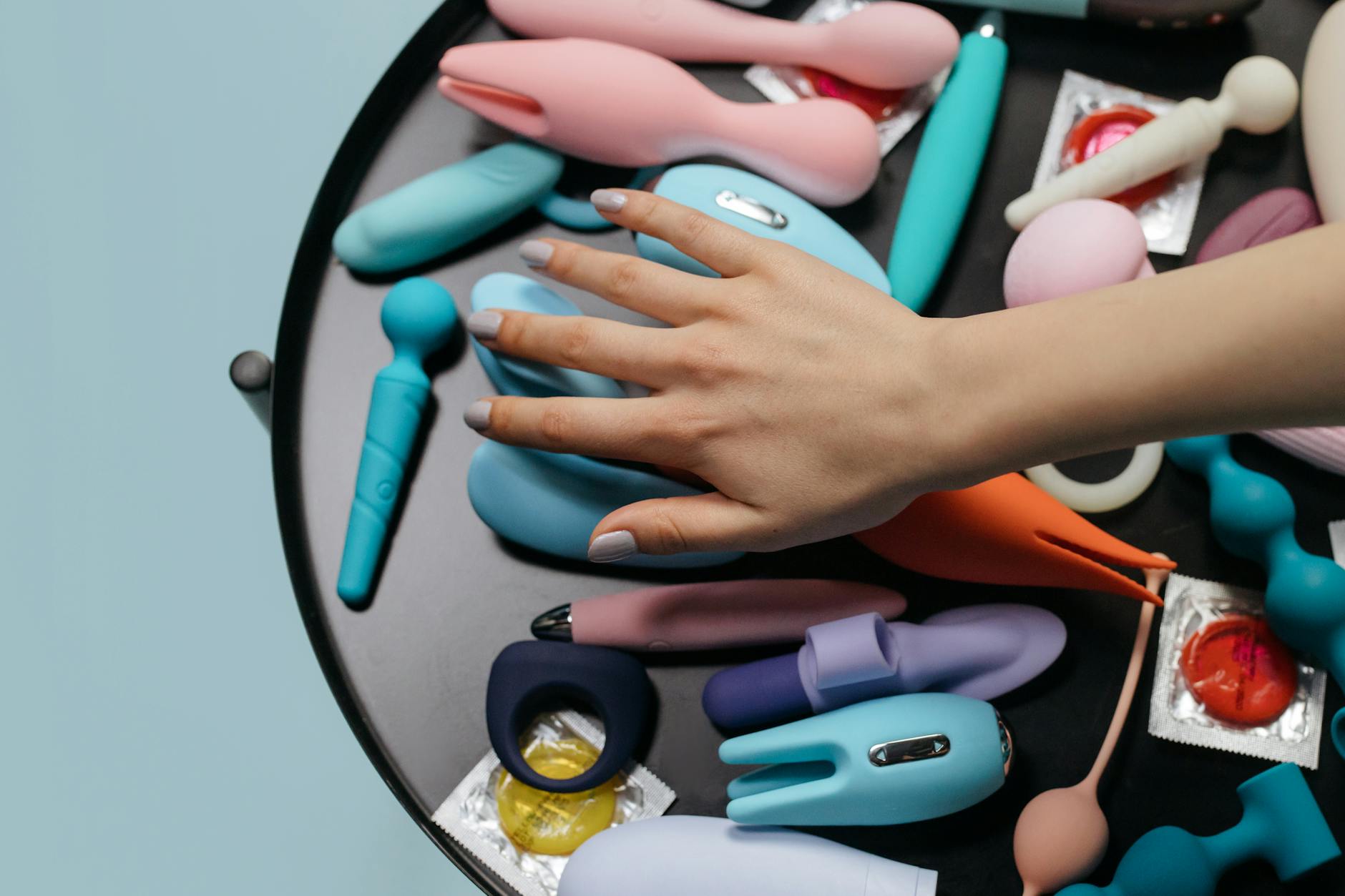
How to Use Lemon Vibrators When You Struggle With Sensation Seeking
When one partner craves novelty and intensity, lemon clitoral vibrators can bridge the gap. Here's how to use them to keep desire alive without creating distance.
One of you wants to try something new every time. The other wants consistency, routine, the comfort of knowing what's coming. This is one of the most common friction points in long-term relationships, and it's almost never about the sex itself. It's about how desire works differently in two different nervous systems.
Sensation-seeking isn't restlessness. It's not infidelity waiting to happen. It's a legitimate neurological trait. Some people's brains are wired to crave novelty, intensity, and variation. Others feel safest with repetition. When these two styles collide in the bedroom, the result is often frustration on both sides. The sensation-seeker feels bored. The partner seeking consistency feels inadequate, like they're never enough.
Here's what I've learned working with hundreds of couples: lemon vibrators, particularly devices like the Lem vibrator and other clitoral vibrators, can actually be the bridge between these two wiring styles. Not as a Band-Aid fix, but as a genuine tool for creating variation without requiring reinvention.
The human nervous system adapts. This is called habituation. The same touch, the same pattern, the same buildup your body responded to wildly six months ago registers as familiar now. That's not a relationship failure. That's just how brains work.
For people with a high sensation-seeking profile, this adaptation happens faster. They hit the baseline of "this feels normal" quicker than their partners do. From the outside, it looks like they want constant chaos. What's actually happening is their nervous system is asking for enough stimulation to feel engaged.
Lemon sexual toys solve for this in a specific way. Unlike traditional vibrators, devices like the Lem use suction and pulsation rather than continuous vibration. This means the sensation doesn't flatten over time in the same way. The pattern changes. The intensity layers differently. For a sensation-seeking partner, this novelty within a familiar object can be enough to reset the pleasure baseline without requiring a completely different activity.
Start with the device as a solo exploration tool. I know that sounds counterintuitive. But if you're the sensation-seeker in your relationship, using lemon adult toys alone for a week or two helps you map what patterns actually engage you versus which ones you think you should like. This matters because sometimes sensation-seeking gets confused with performance anxiety or comparison. Once you know what actually hits for you, you have concrete information to bring to your partner.
Then, use it together, but frame it differently than you might expect. Don't position the lemon clitoral vibrator as a solution to your boredom. Position it as a tool that lets both of you do something you were already doing, but with more sensation available. If you've been having sex the same way for years, the vibrator isn't the novelty. The vibrator is permission to pay attention differently.
One of the underrated features of lemon vibrators is that most quality devices have multiple patterns and intensities. A sensation-seeking partner can spend five minutes on pattern two, switch to pattern five for three minutes, then go back to pattern two. That switching, even within the same device, resets the adaptation response. Your nervous system can't habituate to what's not staying still.
Here's what I recommend to couples where one partner is sensation-seeking: establish a basic structure together first. Maybe you always start at a lower intensity for warm-up. Maybe there's a progression over fifteen minutes. Then, within that structure, the sensation-seeker gets to play with intensity and pattern variation. The partner who values consistency gets the predictability of structure. The sensation-seeker gets the novelty they need.
This is not a compromise where nobody wins. This is architecture where both nervous systems get what they actually need.
Sometimes what feels like sensation-seeking is actually a threshold issue. Your partner genuinely needs stronger stimulation to feel pleasure. This is different from boredom. It's a sensation sensitivity issue. If this is what's happening, lemon clitoral vibrators become less about variety and more about delivering the intensity your body actually needs.
The Lem vibrator and similar lemon suction devices deliver sensation in a concentrated way that traditional vibrators often can't match. If your partner's nervous system requires significant stimulation to feel engaged, these devices can actually make shared pleasure simpler, not more complicated. You're not chasing a moving target of "more and more intensity." You're using a device calibrated to meet them where their nervous system actually is.
Here's where most couples get stuck. The sensation-seeking partner wants to introduce toys. The other partner hears "you're not enough." This is a story problem, not a sex problem.
Before you introduce any lemon sexual toy, name what's actually happening. "My nervous system needs more variation to stay engaged. This isn't about you. This is about me wiring my body in a way that keeps me interested and present with you." That's different from "I'm bored." One opens the door. The other closes it.
The partner who values consistency needs reassurance, too. "Using a tool together doesn't replace what we do. It expands what we can do." If you're saying this, mean it. Don't use the vibrator as a substitute for the touch your partner loves. Use it as an addition.
One of the myths about sensation-seeking is that the novelty has to be constant. In reality, most sensation-seekers are satisfied with meaningful novelty every few months. A new pattern. A different positioning. Bringing a device you've been using solo into your shared space. These small shifts are usually enough to reset the adaptation response.
If you're the sensation-seeking partner, you don't need your partner to reinvent sex weekly. You need genuine variation monthly or bi-monthly. Lemon vibrators make that easier because one device can create multiple experiences just by how you use it.
If the desire for novelty is escalating. If regular intensity stops working. If your partner needs something more intense every few weeks. That can signal anxiety, stress, or sometimes medication side effects. It's worth checking in with a therapist or doctor.
But garden-variety sensation-seeking. The kind where someone just needs genuine variation to stay engaged. That's not pathology. That's just a nervous system wired for novelty. And that's exactly where lemon clitoral vibrators do their best work.
You don't need to break up. You don't need to have the same conversation every six months. You need structure that makes room for both of you. That often means exploring tools like lemon vibrators, but it always means starting with honest communication about how your nervous systems actually work.
If you're stuck in this dynamic, consider working with a couples therapist who specializes in sex and intimacy. Not because something is wrong with you. Because having skilled support for these conversations changes everything.
Sensation-seeking is a neurological trait where the nervous system habituates to stimuli quickly. This isn't a character flaw or sign of infidelity risk. It's simply how certain brains are wired. They need novelty and variation to maintain engagement. The same stimulation that feels thrilling in month two feels baseline by month six. This isn't about your partner wanting more from you. It's about their nervous system requiring more input to feel present.
They can't fix the underlying difference in how you're wired. But they can create a structure where both partners get what they need. For the sensation-seeker, multiple patterns and intensities provide the novelty required for continued engagement. For the partner who values consistency, the vibrator becomes a familiar tool within a predictable framework. It's not fixing the problem. It's building a system where the difference becomes workable instead of divisive.
Most sensation-seeking partners aren't looking for constant reinvention. Meaningful novelty every two to three months is often enough to reset adaptation. This might mean changing intensity patterns, trying different positions with the lemon vibrator, or using it in a new context. Small variations matter more than constant big changes.
Both. Solo exploration helps you understand what actually engages your nervous system versus what you think should. Once you know that, bringing it into partnered time is more informed and less about chasing a feeling. If you're sensation-seeking, solo time with a device like the Lem vibrator gives you concrete information about your own pleasure that you can then communicate to your partner.
This is a story and communication issue first, pleasure tool issue second. Before introducing any device, name what's happening. "I need more variation to stay present with you. This tool helps me do that. It doesn't replace you. It helps me show up better." Then use the device in ways that include your partner, not in ways that substitute for them. If your partner stays triggered after that conversation, that's worth exploring with a therapist.
Healthy sensation-seeking is consistent. Your partner wants novelty and variation, but they're not escalating into anything dangerous or compulsive. If the need for intensity is growing rapidly, if regular stimulation stops working and they need something stronger every few weeks, if they're seeking novelty outside the relationship, that can signal anxiety, stress, or sometimes medication side effects. It's worth a conversation with a doctor or therapist. But standard sensation-seeking where someone just needs genuine variation to stay engaged. That's normal neurology.
If you're navigating desire mismatch in your relationship, you're not alone. Many couples find that exploring tools like lemon vibrators together creates more openness than you'd expect. The device becomes a conversation starter, not a flashpoint. If you want to dig deeper into communication strategies or learn more about how your nervous system handles stimulation, reach out to our team at /contact. We're here to help you build pleasure that works for both of you.