Antidepressants save lives. They also, sometimes, flatten pleasure. Not because your body is broken, not because you're doing something wrong, but because selective serotonin reuptake inhibitors (SSRIs) and serotonin-norepinephrine reuptake inhibitors (SNRIs) affect the exact neural pathways that build arousal. It's not a personal failure. It's neuropharmacology.
What nobody tells you is that this numbness is not permanent, and it's not something you have to accept as the cost of your mental health. I've worked with dozens of people navigating this exact friction. The answer is not switching medications (though that's sometimes worth discussing with your prescriber). The answer is often understanding what's actually happening, and then adjusting your approach to pleasure accordingly.
When you experience arousal, a cascade of neural events fires up. Dopamine rises. Norepinephrine increases. Blood flow redirects. Physical sensation sharpens. Your brain becomes hyper-tuned to touch.
SSRIs work by keeping serotonin in your synaptic gap longer, which helps with depression and anxiety. But here's the catch: serotonin in excess also dampens dopamine and norepinephrine signaling. Those are the two neurotransmitters most directly tied to sexual desire, arousal, and genital sensation.
It's not that the sensation disappears. It's that the signal gets quieter. A touch that would have felt electric before now feels muted. Orgasm, when it comes, feels softer or harder to reach. Some people describe it like they're experiencing pleasure through frosted glass.
This happens to about 40-60% of people on SSRIs, depending on the specific medication and dose. It's one of the most common reasons people stop taking their antidepressant without telling their doctor, which then creates a different problem entirely.
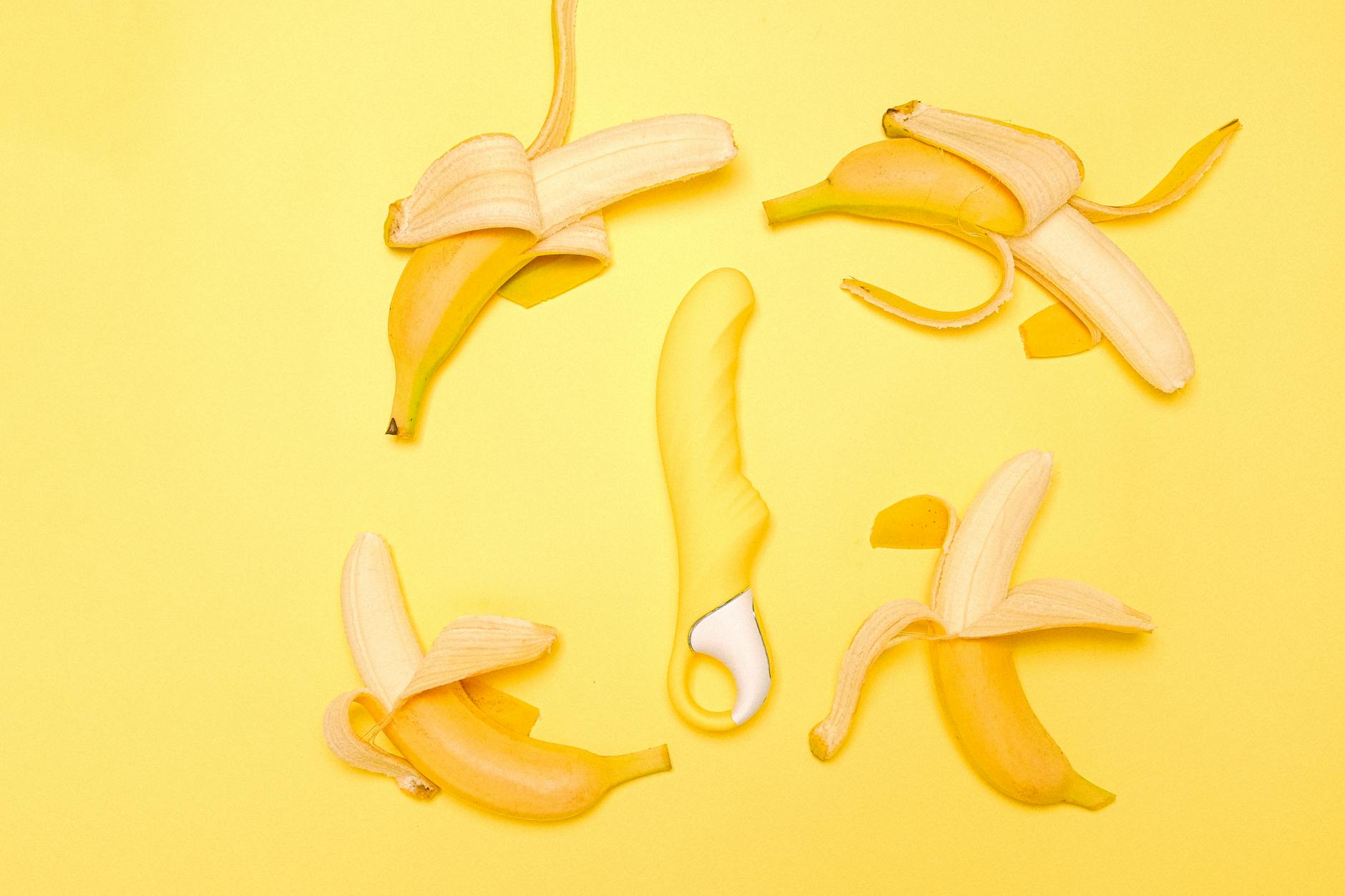
Here's where lemon vibrators, and specifically lemon suction toys like the Hello Nancy Lem, work differently than traditional vibration.
Traditional vibrators rely on frequency to stimulate nerve endings. They work by oscillation. But when your nervous system is already dampened by SSRI-related serotonin saturation, simple vibration often feels like background noise. You turn up the intensity, it still feels distant, and then you get discouraged.
Lemon clitoral vibrators use air-pulse or suction technology instead. The sensation is not vibration. It's rhythmic suction that creates a pressure wave across a broader area of tissue. Neurologically, this activates different sensory pathways than traditional buzzing. It bypasses the exact dampening mechanism that makes regular vibrators feel numb.
Think of it this way: if SSRIs are turning down the volume on your arousal speakers, a traditional vibrator is playing the same frequencies at even louder volume (which doesn't help). A lemon suction vibrator is playing on a different speaker system entirely.
Most people who've struggled with sensation on antidepressants report that switching to a lemon clitoral vibrator brings back feelings they thought were gone. Not because the medication changed. Because the stimulation method changed.
Before you adjust your pleasure tools, consider adjusting your dose or timing with your prescriber.
Some SSRIs cause more sexual side effects than others. Sertraline (Zoloft) and paroxetine (Paxil) are notorious for this. Bupropion (Wellbutrin) and sertraline at lower doses are gentler on arousal. If you're on a higher dose, sometimes a small reduction keeps your mental health stable but lifts the sexual dampening.
Timing also matters. If you take your SSRI in the morning, peak plasma levels hit around 4-6 hours later. Some people find that spacing intimacy further from their dose window helps a little. It's not a miracle fix, but it can take the edge off the flatness.
Don't self-adjust your medication without guidance. But do bring this up at your next appointment. A good psychiatrist wants you to stay on your medication, and they also want your life to feel livable. Those two things are not mutually exclusive. They'll help you explore options.
Three things compound to restore pleasure when you're navigating SSRI-related numbness.
First: lemon suction vibrators, specifically. Not because they're magic, but because they work around the neurological dampening instead of fighting it. The Lem or similar clitoral suction toys activate different nerve pathways. You might feel nothing with a traditional vibrator and sensation with a lemon vibrator from the same brand, same battery. It's the technology, not the product quality.
Second: extend your arousal time. If your brain's pleasure chemicals are running on a quiet frequency, give them more runway to build. Instead of 5-10 minutes of foreplay or solo warm-up, budget 20-30 minutes. Let arousal accumulate. This is not about trying harder. It's about giving your muted nervous system more time to reach threshold.
Third: partner communication, if applicable. Tell them what you're experiencing. Not "I can't feel anything" (which is untrue and self-defeating) but "My sensation is softer right now, and I need different kinds of touch to get there." Show them what works. Let them be part of the solution instead of both of you treating it like a secret failure.
Restoring pleasure while on antidepressants is not fast. It takes 4-8 weeks of consistent exploration to know if a new approach actually works for you. Your brain is getting used to a new stimulus pattern. Patience matters more than trying harder.
It's also worth knowing that some people, over time, adapt to their SSRI and sensation slowly returns on its own. Others plateau. There's no way to predict which will happen for you. But adjustment usually happens in the first 3-6 months. If you're two years in and nothing has shifted, that's worth revisiting with your doctor.
I also want to say this directly: your pleasure matters even when it's complicated. Even when your brain chemistry is working against you. Even when you're tired of waiting for sensation to come back. You deserve to feel good. Not "good enough." Good.
If you've tried everything here and you're still numb at six months, it might be time to explore a different antidepressant with your psychiatrist. Bupropion, mirtazapine, and some tricyclic antidepressants have less impact on sexual function. The conversation should not be "I want to stop taking this." It should be "I want to find something that keeps me mentally stable and doesn't flatten my pleasure. What are we working with?"
Your mental health comes first. Full stop. But within that priority, there are usually options that keep both your mood and your pleasure intact. You might need to try two or three different medications to find the right one. That's normal. That's also why this conversation matters.
Mostly, yes, but not always instantly. The dampening from SSRIs is real, but suction-based lemon vibrators activate different nerve pathways than vibration does. Most people report a noticeable difference within 2-3 weeks of regular use. If you feel nothing after 4-6 weeks, the issue might be psychological rather than neurological, and that's a different conversation worth having with a therapist.
Not necessarily. A lemon vibrator is a tool, not a fix. Some people find that a lemon clitoral vibrator alone restores enough sensation that they feel satisfied. Others find they need both a lemon vibrator and a small medication adjustment. Your psychiatrist and your own exploration will tell you what you need. Don't let a good tool become an excuse to avoid a needed conversation with your doctor.
Most people notice a shift within the first 2-3 weeks, with increasing improvement over 6-8 weeks. Your nervous system needs time to learn a new stimulus pattern. Patience is the investment here. If you use a lemon vibrator inconsistently, it's much harder to know if it's actually helping.
Definitely with a partner. Some couples find that the shift to a lemon suction vibrator brings back sensation that makes partnered sex feel good again. The key is communication. Tell them how this changes things. Let them be curious instead of embarrassed.
No. Some people plateau in the first few months and sensation slowly returns over 6-12 months, even with no changes to medication or approach. Others stay on their SSRI indefinitely and find good workarounds with lemon vibrators and extended arousal time. Permanent numbness is rare. But adaptation and adjustment are common.
Then your doctor needs better training, and you might need a new doctor. SSRI-related sexual dysfunction is well-documented in the medical literature. A psychiatrist or GP who dismisses it is working from outdated information. You deserve a prescriber who takes your whole life, including pleasure, seriously.
Antidepressants and desire don't have to exist in opposition. But they also don't always play nicely together at first. The solution is usually a combination: the right medication at the right dose, a tool like a lemon clitoral vibrator that works with your dampened neurology instead of against it, patience while your brain adjusts, and honest conversations with both your doctor and your partner.
Your mental health is non-negotiable. Your pleasure is also non-negotiable. The goal is finding the path where you don't have to choose between them. Most of the time, that path exists. You just have to be willing to look for it.
If you have questions about how lemon vibrators might fit into your specific situation, or you want to talk through medication side effects with someone who gets it, reach out. That's what we're here for.