Why Clitoral Vibrators Take Longer After Antidepressants
Here's the thing about SSRIs and SNRIs: they save lives. They also change how your body experiences pleasure, and almost nobody talks about it in a way that actually helps.
Wellness
Antidepressants change how your nervous system responds to stimulation. Here's what that means for pleasure and why your lemon vibrator still works.
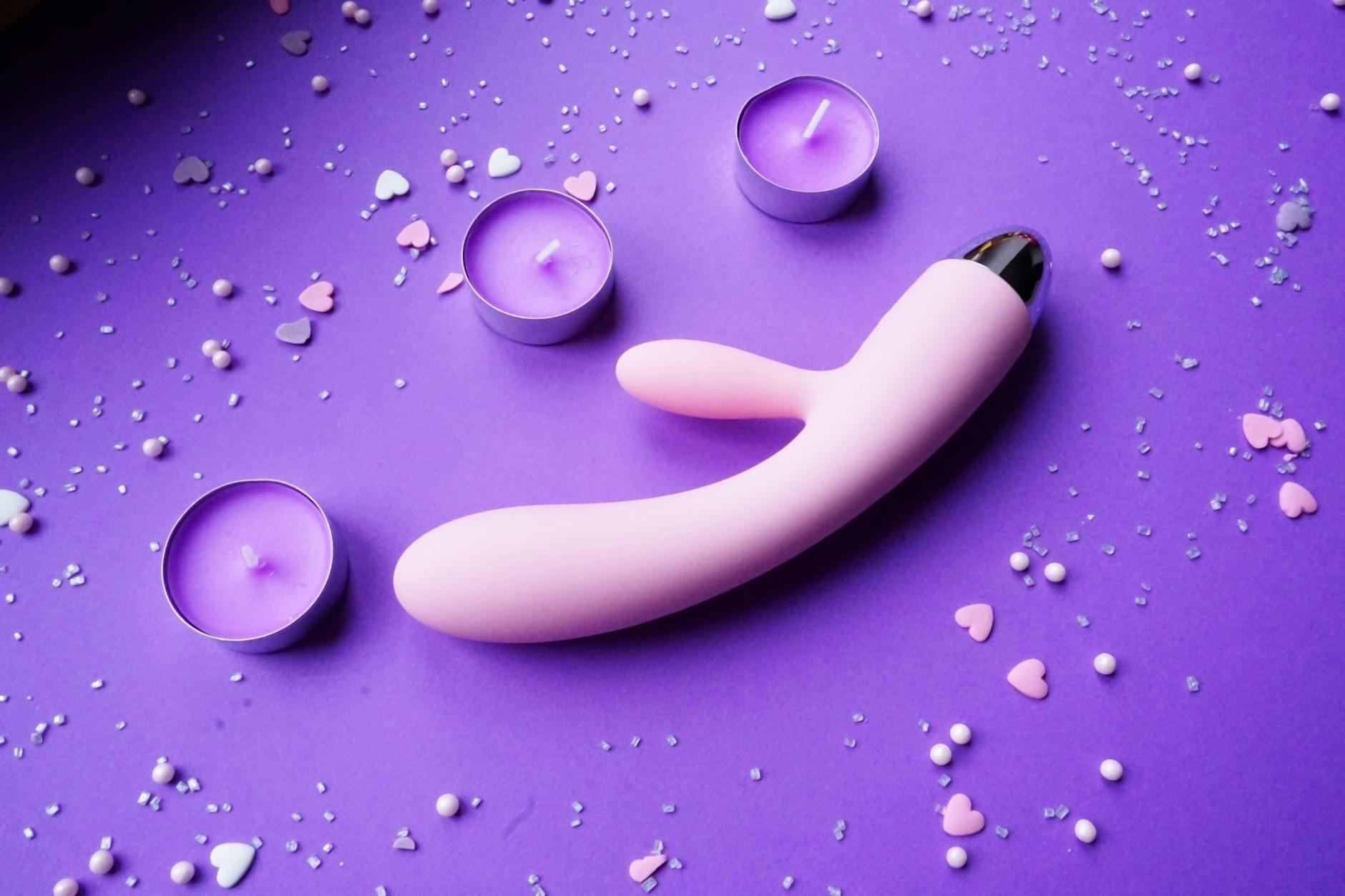
Here's the thing about SSRIs and SNRIs: they save lives. They also change how your body experiences pleasure, and almost nobody talks about it in a way that actually helps.
You start antidepressants, your mood lifts, and then three weeks in you notice something's different. Your partner touches you and nothing happens. You pull out your lemon vibrator, the one that used to work in minutes, and now it takes 20 minutes. Or 30. Or it doesn't happen at all. So you stop trying, assume something's broken, and spiral into a conversation that starts with "I guess I'm just not sexual anymore."
That's not what's happening. Your body isn't broken. Your brain's serotonin regulation has changed, and that changes everything about arousal. Understanding why matters more than you think.
Let me back up. SSRIs (sertraline, paroxetine, fluoxetine, etc.) and SNRIs (venlafaxine, duloxetine) work by keeping serotonin in your synapses longer. More serotonin in the space between neurons means a steadier mood, fewer anxiety spirals, less intrusive thoughts.
Here's the problem: the same serotonin pathways that regulate mood also regulate arousal, orgasm, and blood flow to your genitals. Serotonin, when it's elevated, tells your brain to chill out. It's calming. It's also the neurotransmitter most directly opposed to dopamine and norepinephrine, which are the ones screaming "this feels good, keep going."
So when your SSRI raises baseline serotonin, it's essentially turning the volume down on the part of your nervous system that says yes to pleasure. You're not broken. Your brain's threat-detection system is just way more relaxed than it used to be.
Normal arousal works like this: stimulation happens, your brain perceives pleasure, dopamine spikes, your parasympathetic nervous system kicks in (the rest-and-digest side), blood flows to your genitals, tissues swell, sensitivity increases, and orgasm becomes possible.
On antidepressants, that chain reaction gets longer. The stimulation still happens. Your clitoral vibrator is still working. But the signal from your genitals to your brain takes longer to register as "this is good." Then even after it registers, dopamine takes longer to build. The whole cascade slows down.
Some people experience a complete flattening of arousal. Others notice orgasms are possible but feel distant, like watching a movie instead of living in a scene. Some find that clitoral stimulation barely registers until 15-20 minutes in, and then orgasm happens at a different intensity than before.
The delay usually gets better over 6 to 12 weeks as your body adapts. Sometimes it stays. Sometimes switching medications helps. But most of the time, you're just working with a longer timeline.
This is where it gets practical. If you're thinking of abandoning clitoral vibrators entirely because they're "not working anymore," stop. They're still the most efficient tool you have.
Remember: the delay isn't because there's no pathway to pleasure. It's because the pathway has a longer warm-up time. A lemon vibrator, with its targeted suction and consistent pattern, actually shortcuts that delay better than manual stimulation can.
Here's why. Clitoral suction (the kind a lemon vibrator delivers) stimulates a much wider surface area of nerve endings than a vibrator alone. That means more sensory input reaching your brain in each cycle. More input, faster breakthrough past the serotonin-dampened threshold. It's why people on antidepressants often find suction toys more effective than traditional vibrators.
The Lem-style clitoral vibrator works particularly well because the pattern is consistent and the intensity is customizable. You can spend 5 minutes on intensity level 2, then move to 3, then 4. You're building arousal gradually instead of expecting it to spike the way it did before medication.
If you're on antidepressants and working with a partner, the biggest shift is timing and communication.
First: budget 15 to 25 minutes instead of 5. That's not a failure. That's just the new normal. Some people use this time to enjoy foreplay in a different way. Some use it to get comfortable being stimulated without pressure to come.
Second: warm-up matters more now. Spend time on things that used to feel like foreplay but now are part of the actual arousal process. Penetration, fingers, kissing. These all feed into the same nervous system response. You're building toward climax, not trying to shortcut it.
Third: use your lemon vibrator as part of a longer ritual, not as the entire event. Start with manual or partner stimulation, use the clitoral vibrator for 10 minutes in the middle, then finish however feels right. The combination works better than relying on one tool to do all the work.
If arousal has completely stopped, that's worth mentioning. Not because there's shame in it, but because your doctor might have options.
Switching to a different SSRI sometimes helps. Paroxetine and fluoxetine are infamous for sexual side effects. Sertraline and citalopram tend to be gentler. Bupropion (Wellbutrin), which works on dopamine instead of serotonin, often improves arousal.
Sometimes adding a second medication helps. Buspirone or low-dose aripiprazole can counteract the sexual side effects without reducing the mood benefits. Peppermint has some evidence, though the research is thin.
The point is: this conversation is normal, medical professionals hear it constantly, and there are actually things to try. Don't suffer in silence assuming it's permanent.
I bring this up not because orgasm is the only thing that matters (it's not), but because pleasure and sexual response are ways your nervous system tells you it's healing. When arousal improves, it often means anxiety is genuinely lower, your window of tolerance is wider, and you're actually getting benefit from the medication.
So if you're in the middle of this adjustment right now, here's what I want you to know: your body isn't broken. Your medication is doing exactly what it's designed to do. And yes, sex can look different than it did before. But different doesn't mean worse. Many people find that once they adapt, they have more presence, less performance anxiety, and actually deeper pleasure than they did before antidepressants.
Your lemon vibrator isn't going to work the way it did on day one. But it's still going to work. Give yourself (and your body) time.
For some people, sexual side effects improve within 6 to 12 weeks as the body adapts. For others, they persist as long as the medication is taken. The timeline depends on the drug, your individual neurobiology, and sometimes just luck. Starting at a lower dose and titrating up slowly can help minimize sexual side effects early on.
No. Your mood is more important than your orgasm. Full stop. Talk to your doctor about switching to a different medication or adding something to counteract the side effects. Stopping antidepressants on your own can trigger withdrawal symptoms and a relapse of depression or anxiety. There are options. Use them.
Yes, often. Clitoral suction vibrators like the lemon vibrator tend to deliver sensory input more efficiently than traditional vibrators, which can help bypass the arousal delay caused by elevated serotonin. But everyone's different. Experiment and see what your body responds to.
It depends on the medication and your body. Many people find improvements after 6 to 12 weeks. Some find it gradually normalizes over months. Others find it stays relatively consistent. The good news: even with a longer timeline, arousal and orgasm are still very possible with the right tools and mindset.
Talk about it early and clearly. "My brain chemistry has changed and arousal takes longer now" is very different from "I'm less attracted to you." Frame it as a logistics issue, not an emotional one. If your partner is patient and you both adjust expectations around timing, most couples actually come out of this with better intimacy because they're being intentional instead of assuming.
Talk to your doctor about your options. A dose adjustment, switching medications, or adding something like buspiron or low-dose aripiprazole are all things doctors prescribe for this. Peppermint and ginseng have some research backing, though it's limited. But don't self-medicate. Your doctor needs to know what you're taking and why.
Your antidepressant is keeping your brain stable. That's the priority. The delay in arousal is a tradeoff, not a failure. Once you stop treating it like something wrong with you and start treating it like something to work with, everything shifts. Your lemon clitoral vibrator is still your ally. You're just using it in a longer conversation with your body now.
If you're struggling with this adjustment, the team at Hello Nancy is here. We've written a full guide on how to choose your clitoral vibrator based on your body and preferences. And if you need to talk through relationship dynamics around sexual changes (whether they're medication-related, life-stage-related, or anything else), that's exactly what I do. Reach out and let's talk through it.