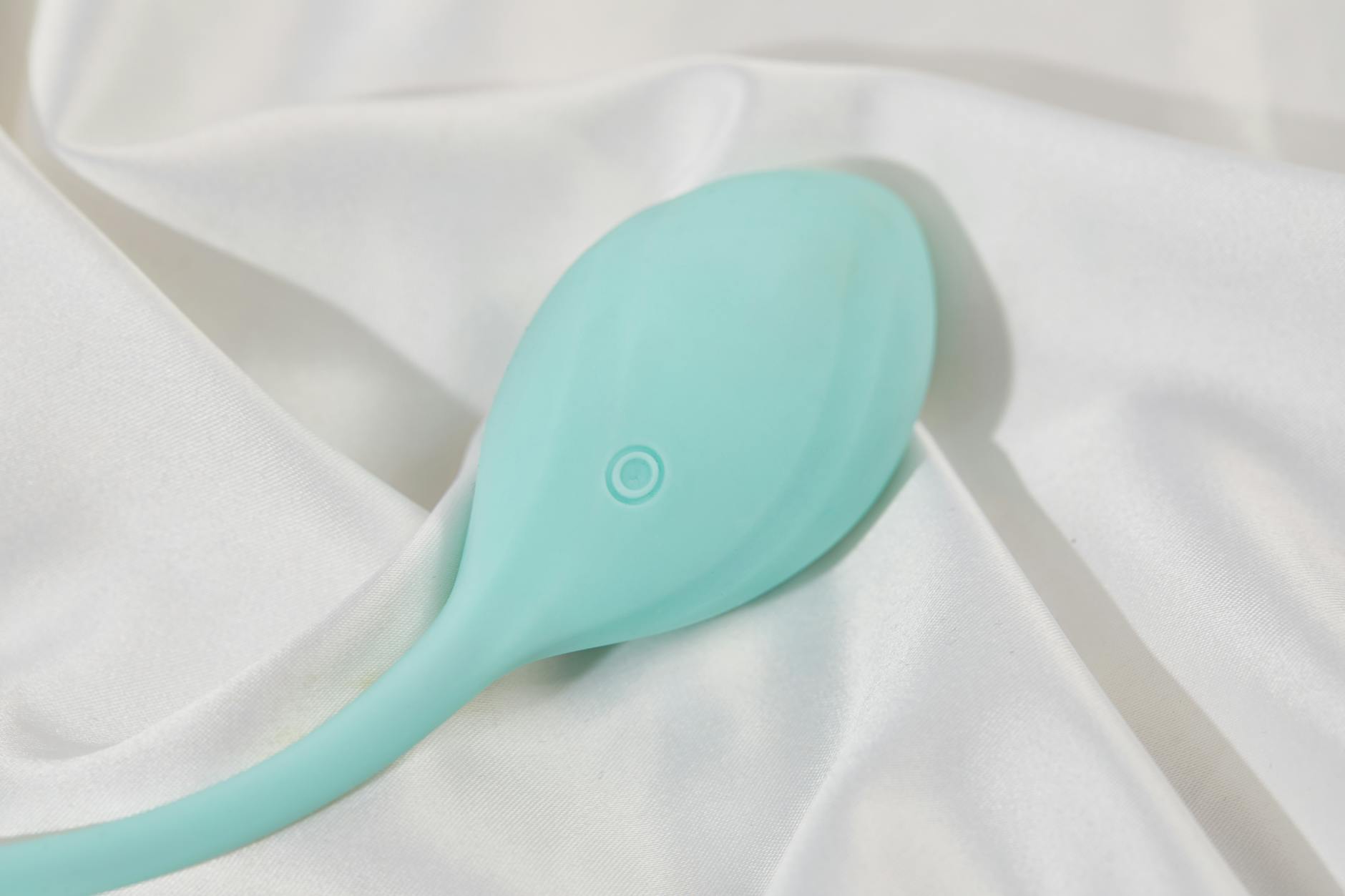
Why Lemon Clitoral Vibrators Feel Different When Stressed
Stress is a pleasure killer. Here's what happens to your body under pressure, why your lemon vibrator stops working like it should, and exactly how to fix it.
Let's be real. When you're stressed, your body isn't thinking about pleasure. It's thinking about survival. That's not weakness or prudishness. That's neurobiology.
When cortisol spikes, your nervous system flips into fight-or-flight mode. Blood vessels constrict. Arousal chemicals like dopamine and oxytocin drop. Your pelvic floor muscles tighten. The clitoris, which is packed with nerve endings sensitive to blood flow and relaxation, becomes harder to stimulate. Even your lemon clitoral vibrator, which normally feels incredible, can feel muted, numb, or overstimulating in the wrong way.
This happens whether you're stressed about work deadlines, finances, a partner conflict, or just the relentless weight of modern life. The trigger doesn't matter. The body's response is automatic.
Three major shifts happen under sustained stress that directly affect how clitoral vibrators feel.
First, arousal takes longer to build. Your brain needs time to downshift from threat mode. Without that transition, even when you try to focus on pleasure, you're fighting your own nervous system. You might feel numb even when you want to feel good. This isn't about the toy. It's about your baseline readiness.
Second, touch sensitivity changes. Stress depletes neurotransmitters like serotonin and norepinephrine, which regulate how your skin and nerves process sensation. What normally feels like perfect pressure might feel too intense or not intense enough. Your lemon vibrator's suction pattern might feel sharp instead of satisfying. The settings that worked last week might feel wrong this week.
Third, your pelvic floor stays contracted. Under stress, this muscle group stays partially tensed as part of the body's protective response. A tight pelvic floor changes how vibration feels, reduces blood flow to the clitoral tissues, and can make sensation feel more superficial. This is why orgasms sometimes feel distant or less intense during high-stress periods.
The ironic part? Pleasure and orgasm are actually tools your body uses to downregulate stress. But to access them, you have to relax first. It's a catch-22 that feels deeply unfair.
If you've been using the same lemon vibrator for weeks and suddenly the settings that felt amazing now feel off, stress is often the culprit.
When your nervous system is activated, you need different stimulus to reach the same sensation. Many people respond by turning the intensity up, which can actually backfire. Higher intensity on an already-triggered nervous system can feel jarring or overstimulating rather than pleasurable.
The better move is to lower the intensity, slow down, and give your body permission to take longer. This sounds counterintuitive. But what you're actually doing is matching the toy to your current neurological state, not fighting against it.
This is where understanding the difference between suction-based clitoral vibrators like the Lem and traditional vibration becomes useful. Suction tends to feel less sharp and more enveloping, which many stressed people find easier to receive. If your standard vibrator settings feel harsh during stress, experimenting with air-suction toys can shift the whole experience.
You cannot pleasure yourself out of stress while your body is in stress mode. You have to address the nervous system first.
This takes 10 to 20 minutes, not 2. Before you even reach for your lemon clitoral vibrator, your job is to downshift your physiology.
Three tools that actually work.
Breathing. Slow, extended exhales activate your parasympathetic nervous system. In for four, hold for four, out for six. Do this for five minutes before anything else. Your body will feel the shift.
Movement. Stress creates adrenaline and cortisol buildup. Walking, stretching, or light dancing helps your body metabolize those chemicals. This is why people often feel more relaxed and aroused after a walk or a dance session. You're literally clearing the stress chemicals out.
Touch without agenda. Spend five minutes touching your body in non-sexual ways. Your arms, legs, belly. Feel the temperature of your skin. This reactivates your sensory system and reminds your nervous system that touch is safe. Many stressed people have lost that baseline sense of touch as okay.
After these steps, your body is in a completely different state. Now your lemon vibrator, at a lower setting and with extended foreplay, will feel like itself again.
If you're in a relationship, stress changes the dynamic in ways that affect both solo and partnered pleasure.
When you're stressed, you might feel guilty that you're not as responsive to your partner, or that sex feels obligatory rather than exciting. Your partner might interpret slower arousal or lower sensation as lack of interest in them, when really it's your nervous system protecting itself.
The conversation to have is simple. "When I'm stressed, my body needs more time and gentleness. This isn't about you. It's about where I'm at right now." That separates the stress response from the relationship. Then you can actually plan pleasure together in a way that fits your current capacity.
Many couples find that during high-stress periods, focusing on foreplay and sensation play rather than performance goals actually strengthens connection. You're not trying to reach an orgasm. You're just trying to feel good together. That's lower pressure and often more satisfying anyway.
If you've noticed a shift in how sensation feels, ask yourself these questions.
Has something in my life gotten more stressful in the last two to four weeks? Am I sleeping less, grinding my teeth, or feeling generally on edge? Have other people close to me commented that I seem stressed? Is my pelvic floor tense even when I'm trying to relax?
If the answer to most of these is yes, stress is almost certainly affecting sensation. The good news is that fixing the stress usually fixes the sensation issue too. You don't need a new lemon vibrator or new techniques. You need to address the nervous system.
If stress isn't the issue, or if you've addressed the stress and sensation still hasn't returned, that's worth discussing with a healthcare provider. Certain medications, hormonal shifts, or pelvic floor dysfunction can also blunt sensation. But start with stress first, because it's the most common culprit.
Here's what I recommend to clients who find themselves constantly battling stress.
First, check in with your nervous system before you reach for any toy. Are you actually relaxed, or are you trying to pleasure yourself into relaxation? There's a difference. The first works. The second rarely does.
Second, give yourself permission to need different things depending on your stress level. Some weeks, your lemon clitoral vibrator at setting 2 is perfect. Other weeks, you need setting 1 with 20 minutes of foreplay. Both are fine. Your body isn't broken. It's responding appropriately to what's happening around you.
Third, treat pleasure as a signal of nervous system health, not a performance metric. If it's hard to feel good, that's information. Your body is telling you it needs something. Usually, that something is rest, stress reduction, or movement. Listen to that signal instead of fighting it.
Stress will always exist. Life will always have seasons of chaos. The skill is learning to work with your body's stress response rather than against it. Your lemon sexual toy isn't going to stop working. Your capacity to receive pleasure is still there. You're just going to need to approach it differently for a while, and that's completely normal.
Anxiety and stress activate your sympathetic nervous system, which narrows blood vessels and reduces sensation. Your clitoris relies on blood flow and relaxation to feel pleasure. When your body is in protection mode, it literally can't receive the same level of sensation, even if the vibrator is working perfectly. The fix isn't a stronger toy. It's helping your body relax first.
Yes, absolutely. It's called stress-induced hypoarousal. Your nervous system literally reduces sensitivity to protect you. This usually resolves within days to weeks of stress reducing. If numbness persists beyond that, check in with a healthcare provider.
Less intensity, more time. When you're stressed, the worst thing you can do is chase sensation by turning up the intensity. That creates frustration. Instead, lower the setting, take 20 minutes, and let your body guide you. Often, people find gentler suction feels better under stress than stronger vibration.
If you actively work on downregulating your nervous system (breathing, movement, rest), you might feel the shift within hours or a few days. If stress is ongoing, it can take weeks. The pace depends on how deep the stress response is and whether you're addressing the stress source or just the symptoms.
Completely normal. Stress suppresses dopamine and oxytocin, the chemicals that drive desire. This isn't a reflection on your relationship or your libido. It's a biological response. The solution is addressing the stress, not forcing desire.
Yes. Meditation activates the parasympathetic nervous system and increases body awareness. Even 10 minutes daily can shift how you experience touch and sensation. Many people report that adding meditation to their routine genuinely improves how pleasure feels, especially during stressful seasons.
Your body isn't broken. Stress is just a powerful nervous system response that temporarily changes how sensation works. Once you understand that, you can work with it instead of against it. That's when pleasure comes back, and when your lemon clitoral vibrator feels like itself again.