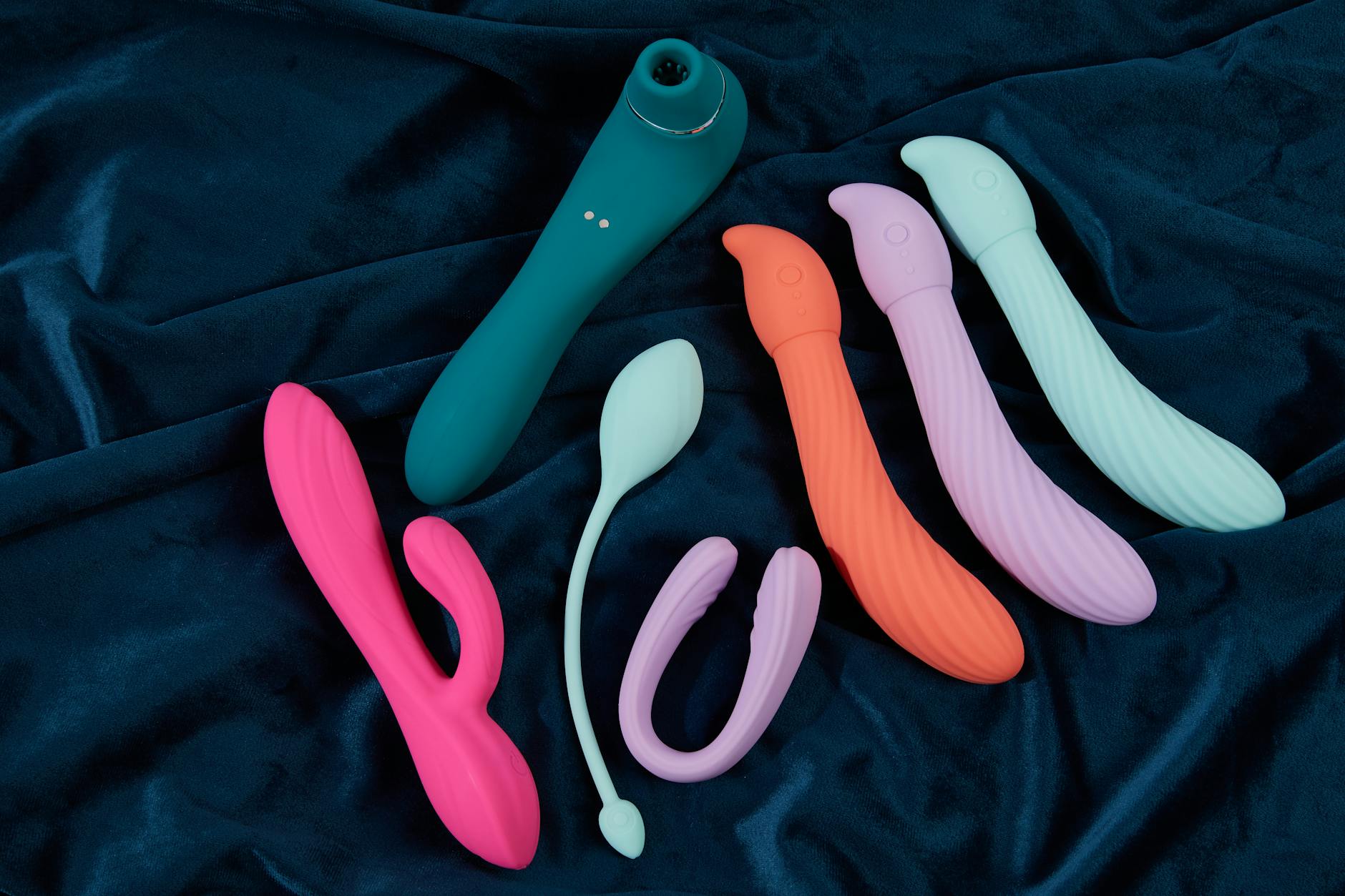
Let's be real. Long distance rewires everything about how pleasure works. Not because your body stops functioning, but because the entire emotional context shifts. And that shift changes how lemon vibrators feel, how quickly they work, and sometimes whether they work at all.
I've worked with dozens of couples managing long-distance relationships, and one of the most consistent patterns I see is that people expect their pleasure to feel the same whether a partner is across the room or across the country. It doesn't. Understanding why is the first step to rebuilding pleasure that actually works for the distance.
Here's the thing about long-distance dynamics. When your partner is there, a huge portion of arousal is contextual and spontaneous. A text, a glance, physical proximity. You don't have to work for it because the trigger is already in the room with you.
When they're not, arousal becomes something you have to build deliberately. That's not worse. But it's different enough that your lemon vibrator—whether you're using the Lem or another clitoral suction device—can feel less responsive than it did before.
This is partly neurological. Anticipatory arousal (the kind that builds over hours or days leading up to time together) engages different brain regions than immediate arousal. The pelvic floor responds differently. Lubrication follows a slower curve. A clitoral vibrator that worked on a 5-minute warm-up might need 15-20 minutes now.
The second part is purely emotional. Sex with a partner you're aching for carries a psychological charge that solo sex doesn't, even if that partner isn't physically present. When they're miles away, that charge has nowhere to go. It can feel like you're going through the motions with a device instead of connecting.
I work a lot with the Gottman Method, which focuses on emotional accessibility. One of the core findings is that feeling emotionally connected to a partner directly affects physical responsiveness. When distance makes a partner feel unavailable—even if they're texting, even if you have a video call scheduled—the nervous system often pulls back from pleasure.
This is a protective mechanism. Your body is detecting emotional distance and matching it with physical distance. You're not broken. You're responding rationally to a real gap.
What I see most often in long-distance couples is that solo pleasure with a clitoral vibrator becomes loaded with guilt or sadness. Instead of touching your body for your own pleasure, you're touching it because you're lonely. Those aren't the same experience. One opens. One closes.
Assuming the emotional piece is handled, your body still responds differently in long distance. Three things:
Pelvic floor tension rises. Distance increases overall stress and sometimes shame around pleasure. Tension in the pelvic floor makes everything harder. A suction toy like the Lem requires pelvic floor muscles that are relatively relaxed to feel good. When you're stressed, you have to actively work to soften that tension before a vibrator feels like anything.
Lubrication takes longer. This goes back to anticipatory arousal. The first 10-15 minutes of self-touch often produce nothing. You might feel like you're broken. You're not. You're just warming up a nervous system that isn't getting external input.
Sensitivity drops in specific ways. You might find that pattern 1 on the Lem feels too gentle, but pattern 2 feels too intense. That's common in long distance. Your body is in a weird in-between state. The fix is usually to spend more time at intermediate settings instead of jumping to the intensity you used to prefer.
First, reframe solo pleasure. This isn't Plan B while your partner is away. This is your own sexuality, which is separate from your relationship. The healthier your solo pleasure is, the better sex with your partner will be when you're together again.
Second, build time. Budget 20-30 minutes instead of 10. Spend the first 10 touching your whole body, not jumping straight to your clitoral vibrator. This isn't spiritual woo. You're literally giving your nervous system time to shift into parasympathetic (rest and digest) mode, which is where pleasure lives.
Third, consider whether you want your partner involved. Some couples use remote vibrators like the Pixie, where a partner can control the toy from a distance. Others find that having a partner watching on video adds just enough shared presence to bridge the gap. Some people prefer complete solitude. All three are valid.
The key is choosing deliberately instead of defaulting to shame or avoidance.
If you're using a device together remotely—via video call or with a remote-controlled toy—the dynamic is different but has its own complications.
Most people find that watching a partner's pleasure is the hottest part, not the presence of the toy itself. A lemon vibrator becomes a shared focal point. The vulnerability of being watched, even through a screen, often makes the experience feel more intense than solo use.
But this only works if both people are genuinely into it. I've seen couples use remote toys as a band-aid for emotional distance, and it never works long-term. It just creates performance anxiety on top of loneliness.
If you're going the remote toy route, talk first about what you both want to feel. Are you trying to build anticipation for when you're together in person? Are you trying to feel connected right now? Those have different approaches.
Long distance changes pleasure because long distance changes everything. Your body isn't broken. Your clitoral vibrator isn't the problem. You're just in a different emotional and physiological state, and that requires different strategies.
The couples I work with who navigate long distance most successfully do three things consistently. One, they stop expecting solo pleasure to feel the same as partnered pleasure. Two, they actively build anticipation instead of just waiting. Three, they're honest about when the distance is too much, and they adjust their plan.
Your lemon vibrator—or whatever clitoral vibrator you use—is the same tool. But you're using it in a completely different context. Meeting yourself where you actually are, not where you think you should be, makes all the difference.
Your nervous system responds to emotional context, not just physical stimulation. When a partner is distant, the brain often pulls back from pleasure as a protective mechanism. This isn't a reflection of your desire for them or for pleasure itself. It's a sign that you're registering the emotional gap. The fix is usually to spend more time building arousal deliberately, managing pelvic floor tension, and addressing any shame or sadness around solo pleasure. If the difficulty is severe, talking to a therapist who specializes in sex and relationships can help.
Remote vibrators like the Pixie can add an element of shared presence and control that some couples find hot. But they're not a replacement for emotional connection or for the anticipation of being together in person. They work best as a tool for building foreplay or novelty, not as a substitute for the relationship itself. If you're considering one, make sure both partners genuinely want it, not just using it to cope with loneliness.
No. Solo pleasure is healthy and separate from your relationship. The risk isn't in using a clitoral vibrator alone. The risk is using it as an avoidance strategy or connecting it to shame. If your solo pleasure feels nourishing and intentional, it actually strengthens your relationship. If it feels like something you do because you're lonely or guilty, that's worth exploring, possibly with a therapist.
Two reasons. One, your body's baseline arousal is lower, so even the same intensity from your device feels muted. Two, your pelvic floor tension is probably higher due to stress, which makes suction-based toys feel less effective. Try using lower intensities for longer instead of jumping to your old settings. You might also notice that the intensity improves once you've built more anticipation and have something to look forward to with your partner.
It can be normal in a specific way. Sometimes solo pleasure feels safer or more predictable than navigating the awkwardness of reconnecting with a partner. But if this preference persists after you're back together regularly, it might signal that the relationship isn't meeting your needs emotionally. That's worth talking through together or with a couples therapist who can help you rebuild presence and desire with your partner.
It depends on the couple. Most people report that their responsiveness starts shifting within a few days of being back together in person. But full reconnection, especially emotional reconnection, usually takes weeks. Your nervous system needs time to trust that the distance is temporary and that your partner is genuinely available. Patience with yourself and with the process makes a huge difference.
Your body knows the difference between alone and connected. That's not a flaw. That's actually a sign of a healthy nervous system that responds to emotional reality. Long distance changes how your clitoral vibrator feels because it changes how your whole body experiences arousal. Meeting that reality with honesty and strategy beats fighting it every time.
If you want to talk through what long distance is doing to your specific relationship, or if you're struggling with how distance is affecting your pleasure, reach out to contact us. I work with couples navigating exactly this dynamic.