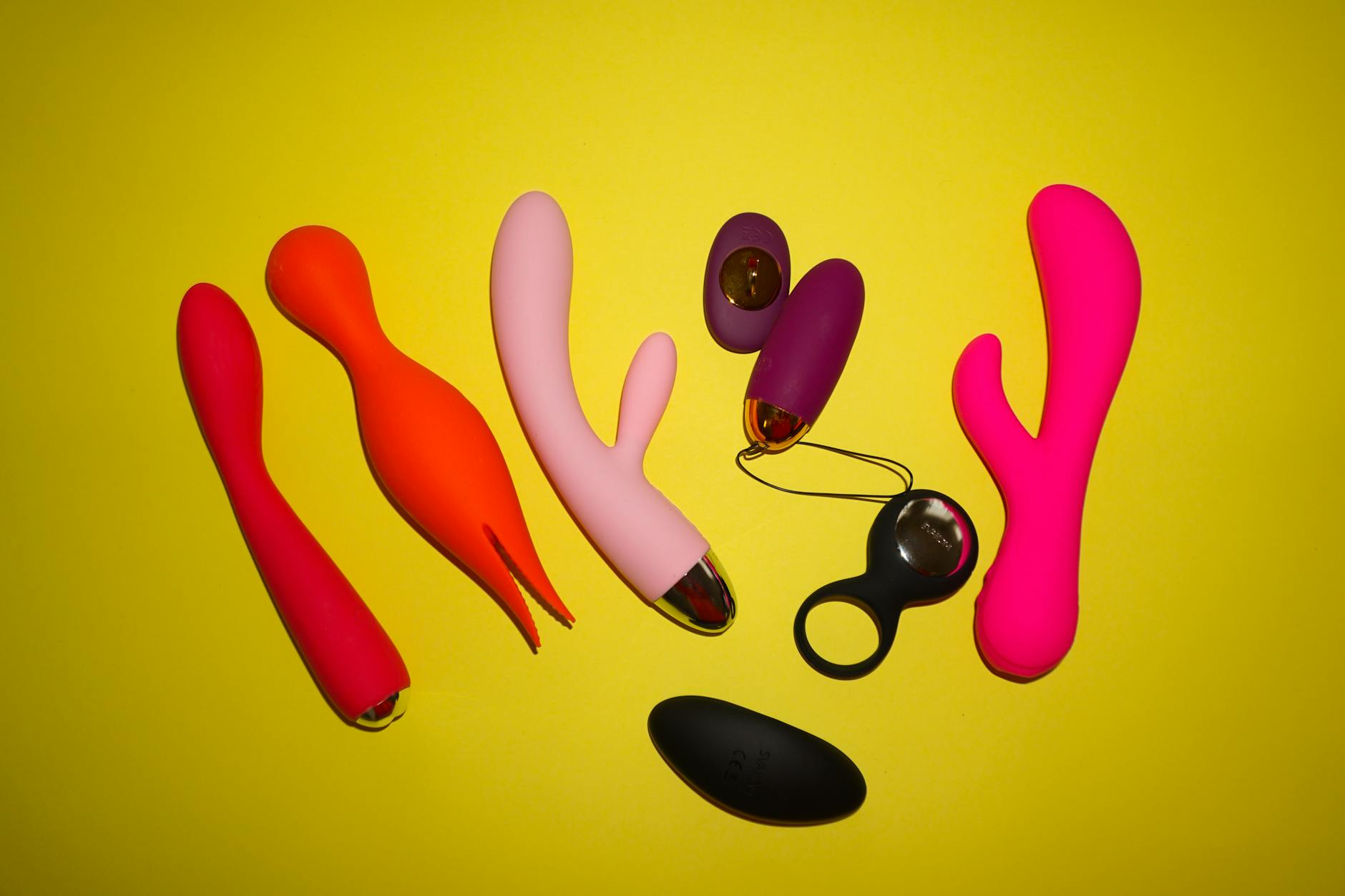
Why Lemon Vibrators Feel Different When You're Newly Single After Divorce
Rediscovering what pleasure means when it's just for you. How clitoral vibrators help you rebuild confidence and reconnect with your body on your own terms.
Divorce ends a marriage, but it also ends a particular kind of intimacy. Even if that intimacy wasn't great, even if you're relieved it's over, your body doesn't process the ending as a simple subtraction. It processes it as a reckoning. And pleasure, for most people, is one of the first things that goes quiet.
You might feel numb. You might feel guilty for wanting anything at all. Or you might feel something weirder: a kind of uncertainty about what your own pleasure even is anymore, separate from the story you were living inside someone else's framework.
That's where lemon vibrators and other clitoral toys enter the picture. Not as quick fixes, but as a way to ask your body a basic question: what do you want, on your own?
When you're partnered for years, your nervous system learns a pattern. Sex becomes something that happens alongside someone else's rhythm, someone else's timing, someone else's needs. Your clitoris gets trained, in a sense, to respond within that specific context. Even if that context was fine, even if you enjoyed it, your body built neural pathways around it.
After divorce, those pathways are still firing. But the partner they were calibrated for is gone. So pleasure feels muted, different, sometimes not there at all. This isn't emotional avoidance. This is genuine neurobiology. Your nervous system is looking for a pattern that no longer exists.
Clitoral vibrators like The Lem work differently in this phase because they're not tied to anyone else's presence. The air-suction technology creates a specific kind of stimulation that doesn't require you to anticipate someone else's touch or coordinate with another body. You get to relearn your own response in isolation. That matters.
Here's the thing most people don't articulate: self-pleasure after years of partnership isn't just masturbation with better focus. It's neurologically different. You're asking your body to respond to direct stimulation without the relational context that used to frame it.
For some people newly single after divorce, this feels liberating immediately. For others, it feels weird, almost wrong, because you've spent years framing pleasure as collaborative. Your brain protests. Your body hesitates. That's not a sign you're broken. It's a sign you're rewiring.
Lemon vibrators and similar clitoral suction devices feel different in this context because they're efficient. They don't require you to fantasize or perform or do anything except sit with sensation. For someone rebuilding their relationship with their own pleasure, that efficiency is actually the point. You're not trying to choreograph an experience. You're just learning what happens when you stop.
Divorce often leaves you doubting your own judgment. You chose someone, built something, and it ended. That's not a small thing for your confidence. And that doubt creeps into everything, including pleasure. You might find yourself questioning whether you're doing it right, whether you're supposed to feel a certain way, whether something's wrong with you because the response isn't immediate.
Using a lemon vibrator, or any clitoral vibrator, requires a different kind of permission than partnered sex does. There's nobody to perform for. There's no external validation or response. It's just you and sensation. And over time, that repetition of choosing pleasure for yourself, of trusting your body's response, rebuilds a fundamental kind of confidence. You start believing that your pleasure is worth making space for.
Some people pick up a lemon vibrator weeks after divorce and feel immediate relief. Others can't touch one for months. Both are normal. There's no schedule for when your body should be ready to feel pleasure again. And lemon vibrators, precisely because they're so effective at generating sensation, can sometimes feel jarring if you're still in a numb phase. That's fine. You can put it down. Come back to it later.
What I've seen in my practice is that the people who do best are the ones who approach this with curiosity, not urgency. Not "I should be able to enjoy this by now" but "I wonder what this will feel like if I'm patient with myself." That shift in framing changes everything. The clitoral vibrator becomes a tool for exploration, not a test you might fail.
This might sound strange, but I want to say it clearly: you can grieve your marriage and enjoy an orgasm. These don't cancel each other out. In fact, for many people newly single, pleasure becomes a way of grieving. It's a physical acknowledgment that you're moving forward, that your body exists outside the marriage, that you have desires that belong only to you.
Some of my clients tell me that using a lemon vibrator made them cry. Not because anything was wrong, but because it was the first time in months they felt themselves, fully present in their own sensation, with nobody else's story overlaid on top. That's profound work. That's not shallow. That's you coming back to yourself.
First, set the expectation low. You're not aiming for an earth-shattering orgasm. You're aiming for any response at all. Numbness is common. Give your nervous system room to wake up gradually.
Second, use one when you're not stressed. Post-divorce, your nervous system is already activated. Starting a clitoral vibrator session when you're flooded by divorce logistics or anxiety is like trying to sleep in a thunderstorm. Pick a time when you're as calm as you can reasonably get.
Third, if using a lemon vibrator or any clitoral vibrator brings up complicated feelings, sit with that. Journaling, talking to a therapist, texting a friend. The feelings are data. They're not a reason to stop. They're information about what's still processing.
If you find that pleasure feels completely unavailable even after several months, or if touch becomes distressing, that's worth mentioning to a therapist. Sometimes divorce trauma gets stored in the body in ways that require professional help to untangle. That's not a failure. That's taking care of yourself properly.
For most people, though, rediscovering pleasure after divorce is just what it sounds like: a gradual relearning. Some people find that <a href="/blog/why-lemon-vibrators-feel-different-when-youre-single">pleasure changes significantly when you're single</a>, and lemon vibrators help bridge that gap. Others find that <a href="/blog/how-lemon-vibrators-feel-different-when-youre-rebuilding-after-a-breakup">rebuilding after a major relationship shift</a> requires patience and tools that make sensation easier to access.
Your body is not broken. Divorce just means you get to start over and ask it what it actually wants this time.
There's no universal timeline. Some people are ready weeks in, others need months. The honest answer is: when you feel curious, not pressured. If touching yourself sounds interesting rather than like a chore, that's probably a sign your nervous system is starting to come back online. There's no prize for speed.
Sometimes yes, sometimes no. Learning your own pleasure response independently is genuinely valuable. It means you know what you like and what your body needs. That knowledge is useful in future partnerships. But it's not an automatic transfer. Each new relationship is a new conversation about pleasure.
Completely normal. Pleasure is physical and emotional. After divorce, pleasure might bring up all kinds of feelings. Grief, relief, loneliness, freedom, confusion. All of that can coexist with physical sensation. You're not doing it wrong. You're just processing a lot at once.
Yes, often. Air-suction clitoral vibrators are particularly effective for people experiencing reduced sensation because they create a different kind of stimulation than penetration or traditional vibration. They tend to cut through numbness more effectively. If numbness persists for months, talk to your doctor. It can sometimes signal something physical worth investigating.
It's not. Learning to pleasure yourself is foundational. It doesn't mean you won't want partnership again. It just means you're not waiting for someone else to activate your body. You're doing it yourself. That's powerful, not pessimistic.
That's entirely up to you. Some people do, some don't. If you do move toward a new partnership, knowing your own body and what you like is a massive gift to that relationship. You can frame it as an advantage, not a secret you're keeping.
Divorce doesn't erase your body's history. But it does give you a chance to reclaim pleasure on completely different terms. Lemon vibrators, clitoral suction devices, and the intentional act of choosing your own pleasure are tools for that reclamation. Not because you failed at partnered pleasure, but because you're worth singular attention too. Your desire matters. Your sensation matters. Your body deserves to be known by you first.