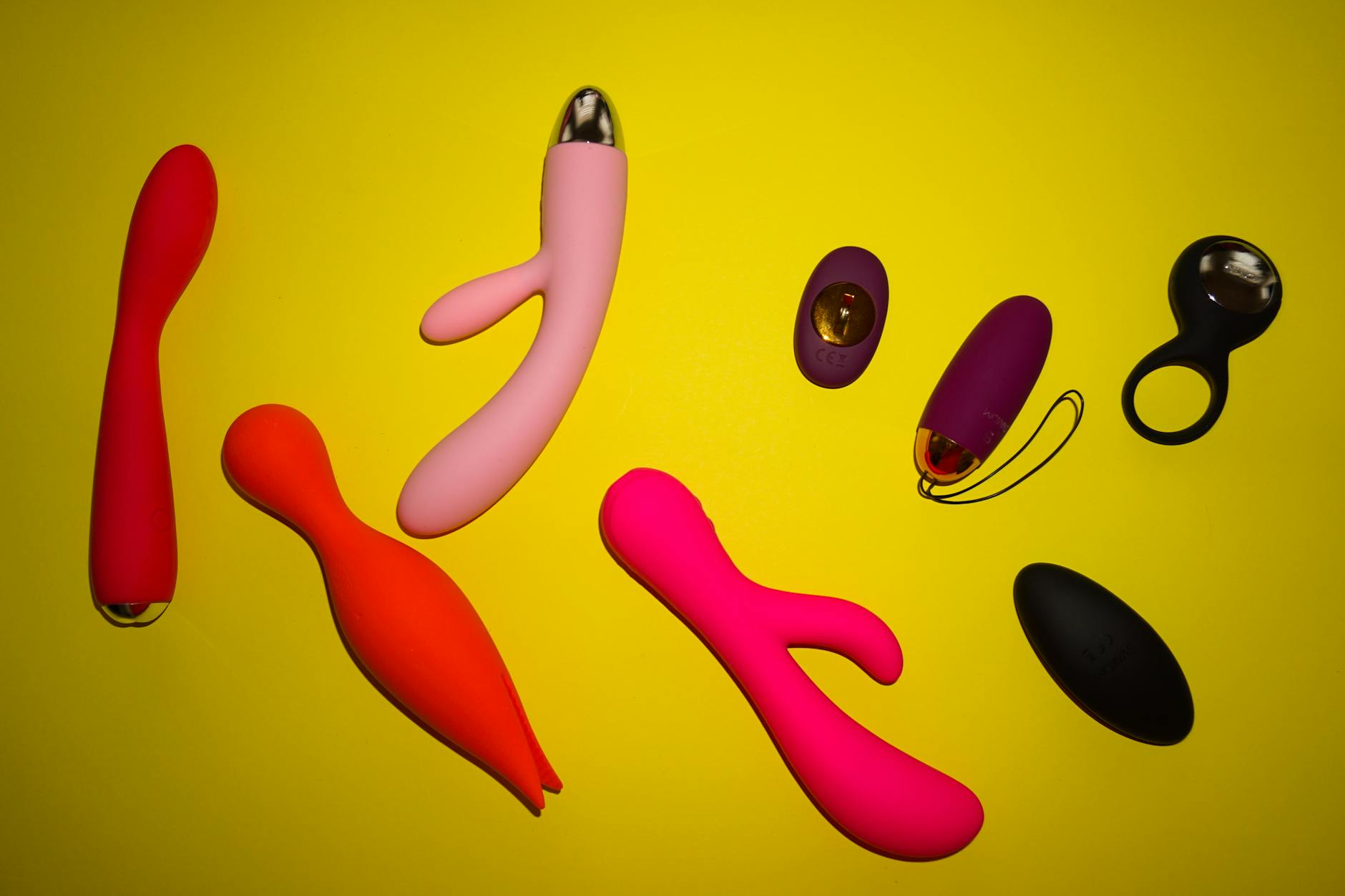
Why Lemon Vibrators Feel Different With Antidepressants and a New Partner
SSRIs flatten sensation, new relationships spike anxiety. Here's what's actually happening in your body, and how to make a lemon clitoral vibrator work for you anyway.
You started antidepressants. Around the same time, you met someone new. Now when you use a lemon vibrator, something feels off. The sensation is duller. Orgasm is harder to reach. You're wondering if it's the medication, the newness, the pressure, or all three tangled together.
Selective serotonin reuptake inhibitors (SSRIs) work by making serotonin linger longer in your brain. That's why they lift depression and anxiety. But serotonin has a second job: it helps regulate arousal and orgasm.
When serotonin levels rise, sensation often gets muted. Not permanently, and not for everyone equally. Some people on SSRIs experience minimal change. Others find orgasm takes longer, feels less intense, or requires different types of stimulation. The clitoral nerve density hasn't changed. Your capacity for pleasure hasn't vanished. The signal is just quieter.
This is one of the most common side effects that people don't talk about because doctors don't always bring it up first. Studies suggest 40 to 60 percent of SSRI users experience some shift in sexual response. Most don't realize it's the medication.
Now add in a new partner. Your nervous system is in a state of hypervigilance. Not in a bad way. New attraction creates a kind of productive anxiety. You're monitoring the other person's response, your own response, whether you're doing it right. That vigilance is hardwired. It's not a character flaw.
But hypervigilance actually dampens sensation. Your nervous system is in fight-flight mode (mild version), which pulls blood away from the extremities and toward the core. It's harder to feel texture, pressure, vibration when your body is partially braced.
So you've got two neurological processes happening at once: the SSRI dampening sensation, and the new-relationship activation paradoxically suppressing it further.
Here's the good news. Clitoral vibrators like the Lem work through direct stimulation and suction, which bypasses some of the sensation-dampening that SSRIs create.
Traditional vibrators rely on you feeling texture and rhythm. If sensation is muted, they feel weak. A lemon clitoral vibrator uses air-pulse technology that targets deeper nerve clusters. You don't have to feel a light touch. The pressure is constant and consistent, which means sensation flatness matters less.
That said, it will probably feel different than it did before medication. And that's the piece most people miss: they assume different means broken.
Start on higher patterns than you think you need. If you'd normally use pattern 2 or 3, begin on 4 or 5 when you're on SSRIs and still building trust with a new partner. The medication isn't telling your body it doesn't want stimulation. It's telling your body the stimulation needs to be stronger to register.
Budget more time solo before partnered sessions. Use your lemon vibrator alone first, without the pressure of performing or responding. Solo play is where you learn what patterns actually work for your nervous system right now. Once you know, partnered play feels less like a test.
Use the vibrator as foreplay, not the finish line. Many people on SSRIs find that using a clitoral vibrator for 5-10 minutes before partnered activity helps prime the nervous system. Then switch to partnered touch. The combination works better than either alone.
Lower the performance expectation. This one is internal work. New relationships already carry the pressure of trying to be good in bed. Add in SSRI side effects, and you're working against two layers of nervous system activation. Tell your partner what's happening. "I'm on medication that makes sensation different. It's not about you. We just need to adjust." This single conversation often resolves half the problem.
SSRI side effects usually peak 2 to 4 weeks after starting, then stabilize or improve slightly. If you just started, the worst is probably not here yet. But you're also in the psychological phase where you're hyper-aware of every change.
If you've been on the medication for 2 months or longer and sensation is still significantly flattened, talk to your prescriber. Some SSRIs affect sexual response more than others. Sertraline and paroxetine tend to be worse than escitalopram or bupropion. Adjusting timing (taking it in the morning instead of before bed), adding a second medication to counteract the side effect, or switching to a different class of antidepressant can all help.
This is a completely legitimate medical conversation. Your doctor has had it before.
I've worked with many couples navigating this exact scenario. The couples who adjust quickest aren't necessarily the ones where sensation returns fastest. They're the ones who stop treating it like a problem to hide and start treating it like information.
When you tell your partner, "I'm exploring what works right now, and I don't know yet, and that's okay," the pressure drops. Your nervous system downshifts. Sensation often improves, not because the medication changed, but because your body stopped bracing.
You might find that using a lemon clitoral vibrator with a partner who knows what's happening feels completely different than using one solo. The anxiety component evaporates. And that's when you actually get to experience what the device does.
Here's the thing I always check for in my practice: sometimes what feels like an antidepressant side effect is actually a relationship mismatch, trust issue, or attraction problem wearing a pharmaceutical disguise. The medication becomes the convenient explanation.
Ask yourself: Do you feel safe with this person? Are you actually attracted to them, or are you attracted to the idea of being partnered? Is there something about the dynamic that makes you want to perform rather than relax? Those questions matter as much as your SSRI dose.
If you answer yes to safety and attraction, and sensation is still muted, it's probably the medication. If you're dodging the questions, therapy is worth it before you conclude it's all neurochemistry.
Maybe. Different SSRIs and different antidepressant classes affect sexual response differently. Bupropion, for example, often has fewer sexual side effects than sertraline. But stopping or switching medication without a doctor's guidance is risky. If sensation loss is bothering you significantly, bring it up at your next appointment. Your prescriber may adjust your dose, timing, or medication entirely.
Often, yes. Tolerance can build over time. Many people find that after 3 to 6 months on SSRIs, some sensation returns, even if it doesn't fully normalize. That said, for some people, the dampening is persistent. That doesn't mean you can't have satisfying sex. It means you need tools that work with your current neurology, like a lemon vibrator or adjustments to how you use stimulation.
I'd say yes, but frame it practically, not emotionally. "I'm on medication that changes how my body responds to sensation. It means I need stronger stimulation than I might have mentioned, and it has nothing to do with you or attraction." Most secure partners appreciate knowing the context. It takes pressure off both of you.
Often. A lemon clitoral vibrator uses suction and air-pulse technology, which stimulates deeper nerve clusters. You don't have to feel delicate sensation. With traditional vibrators, you're relying on surface-level receptivity. If SSRIs have flattened that, the toy feels weak. But every nervous system is different. The best approach is to try both and notice what actually works for your body right now.
Completely normal. New-relationship nervous system activation suppresses sensation. Add SSRIs to that, and yes, things feel very different. Once trust builds and the novelty settles, sensation often improves on its own. That's why the time and communication pieces matter so much.
Don't do it without talking to your doctor. Depression and anxiety are serious. The sexual side effects, while real, are usually more manageable than the alternative. Your prescriber has other options. Adjustment, different medication, or adding something to counteract the side effect are all valid routes. But stopping abruptly can cause withdrawal or relapse.
Antidepressants save lives. A new partner is exciting. But both of those things can make sex feel confusing. You're not broken. Your nervous system is doing exactly what it's supposed to do given the inputs.
Understand what's happening physiologically. Adjust your technique and expectations. Tell your partner the truth. Use a tool like a lemon clitoral vibrator that works with your neurology instead of against it. Most of the time, that combination is enough to rebuild the experience into something that feels good.
If sensation doesn't improve in 3 to 6 months, or if it's causing real relationship strain, talk to your doctor or a sex-positive therapist. This is a known problem with known solutions. You don't have to white-knuckle through it.