Why Lemon Vibrators Feel Different With a New Partner Over 40
Starting fresh at midlife means relearning your own pleasure, and sometimes toys feel completely different when someone new is in the room. Here's what's actually happening.
You know your body. You've spent two decades or more learning what works, what doesn't, what time of day matters, how you need to be touched. Then everything changes because you're with someone new. And suddenly a lemon vibrator that felt incredible solo feels... different. Weird. Less responsive. Or sometimes more intense. The tool hasn't changed. But something has.
Honestly, this is one of the most disorienting parts of starting a new relationship in midlife. Not because something is wrong with you. Because you're not solo anymore, and your nervous system knows it.
Here's what's happening in your brain. Arousal requires two things to work together. Your sympathetic nervous system (the accelerator) needs to fire up. But your parasympathetic nervous system (the brake) needs to quiet down. When you're alone, you control the entire equation. You know your safe space. You know nobody's watching. Your brain is already half-convinced everything is fine.
With a new partner, even one you trust, your nervous system is running a constant background check. Is this person safe? Am I going to be judged? What if I make a weird sound? What if I don't orgasm? Subconsciously, your parasympathetic nervous system is working harder to protect you. The brake is still partly engaged.
This is not weakness. This is biology. And it means a lemon vibrator that felt responsive solo might feel like it's working harder to get through when someone else is present.
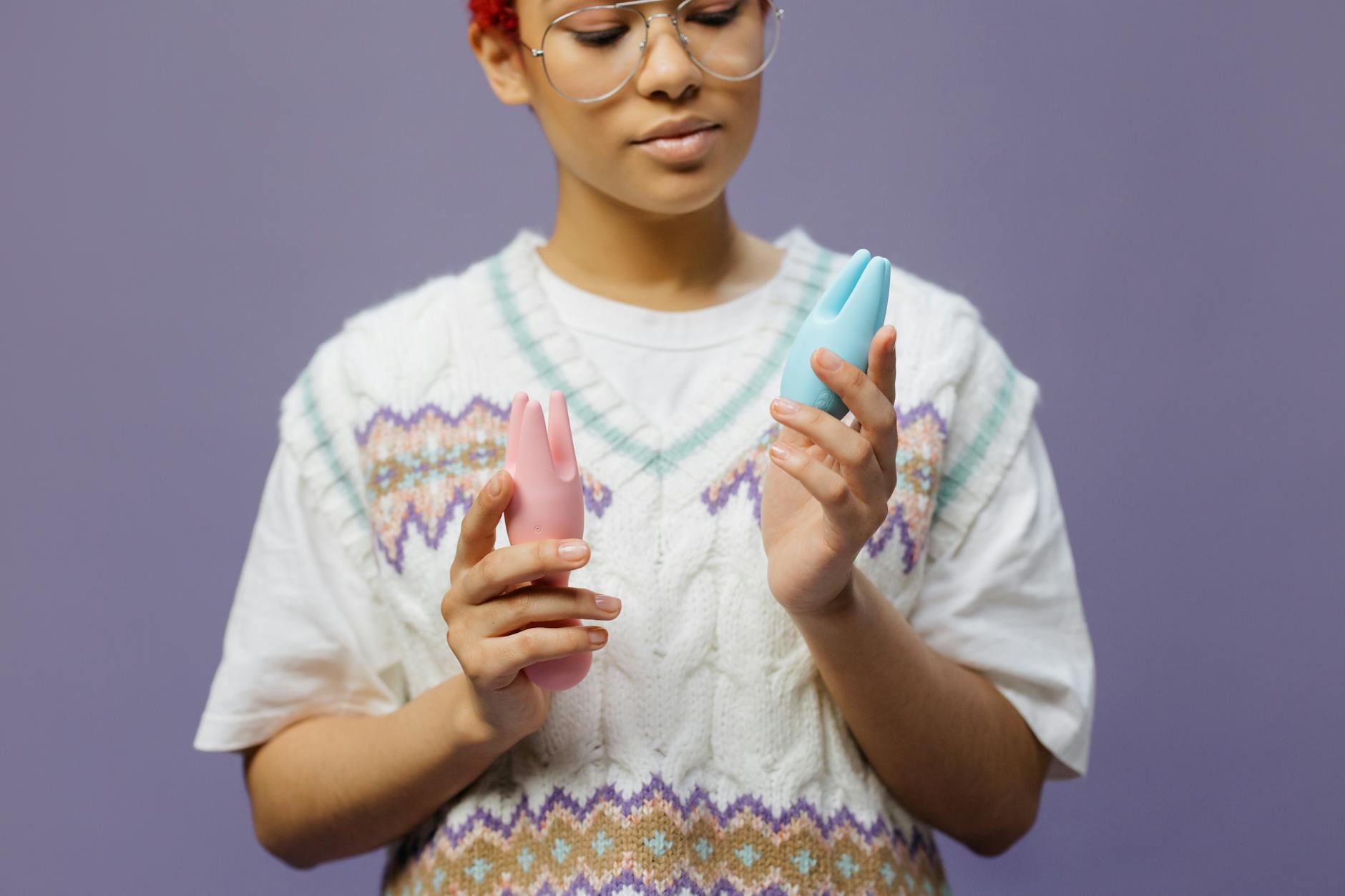
Take the Lem or any lemon clitoral vibrator. Alone, you might love pattern 5 right out of the gate. With a partner watching, your body might need pattern 2 or 3 for twice as long before it even registers. Your tissues are responding to stimulation the same way. But your attention is split. Part of you is present in the sensation. Part of you is managing the vulnerability of being seen.
This isn't permanent. But it's real, and the sooner you name it, the faster it shifts.
One thing I see happen is people assume their bodies have changed, or that the toy isn't working right. Neither is true. Your mind is just taking up more bandwidth. Once you've had that lemon clitoral vibrator conversation with your partner, once you've said out loud "I need longer warm-up" or "I want to start on a lower setting," that bandwidth requirement drops. Your nervous system relaxes a bit more each time.
Here's where it gets interesting. Sometimes, once you push through that initial vulnerability, lemon vibrators can feel better with a partner than they ever did alone. Not because the toy is different. Because pleasure itself is different when you're sharing it.
With a partner, you get to experience arousal as a duet instead of a solo. They can pay attention to parts of your body while you're using the vibrator. They can read your breathing and adjust what they're doing. They can build intimacy around the tool instead of just around intercourse. This is the part that often shocks people over 40 who are dating again. The pressure to perform intercourse goes away. The space for actual pleasure opens up.
But that only happens if you're willing to be honest about what you need.
Most people avoid talking about vibrators with new partners because they think it's unsexy. It's actually the opposite. Here's a conversation that works:
"I have a toy I love. Using it feels really good for my body. I'd like to use it when we're together because it helps me relax and feel pleasure. Does that feel okay to you?"
That's it. You're not asking permission. You're stating a fact about your body and inviting them into it. A partner worth keeping will find this hot. They might ask questions. They might want to help. They might just want to watch. All of that is fine. The point is you've removed the shame, so your nervous system can actually relax.
At 40-plus, you've probably realized that sex doesn't have to happen on anyone else's timeline. Your body might need a longer warm-up. Your mind might need more transition time between "we're talking" and "we're intimate." This is not a problem. It's information.
When you're using a lemon sucker or any lemon clitoral vibrator with a new partner, these pacing shifts become obvious. Solo, you can jump from zero to pattern 5 because your brain is already there. With a partner, your body might need 10 minutes of foreplay before the vibrator even makes sense. Then another 5-10 minutes on lower settings before sensation really registers.
Instead of fighting this, just plan for it. Tell your partner "I like a long warm-up before anything intense." Most partners over 40 appreciate this because they're often in the same boat. You're not slowing things down. You're actually speeding up the path to real pleasure.
Some people find that anxiety around being judged actually dampens sensation. Your clitoris literally has fewer nerve endings firing when you're in a low-grade stress state. So yes, that lemon vibrator is working the same way. Your nervous system is just less available to receive the signal.
The fix isn't more vibration. It's more safety. That comes from being honest with your partner. "I'm a little in my head right now" is often enough. A partner who's worth your time will pause, check in, maybe dim the lights, maybe just hold you for a minute. Then everything shifts.
If anxiety is chronic and not tied to a specific person, that's worth exploring with a therapist. But if it's just the normal vulnerability of being new with someone, naming it usually dissolves half of it.
Here's something I tell everyone dating after 40. Keep exploring solo. Not because partnered sex is bad. Because solo time is where you remember how your body actually works. After a date or the first few times with a new partner, spending 15 minutes alone with your lemon vibrator is how you recalibrate. You remember: "Oh, this is what pattern 3 actually feels like when my nervous system is relaxed." You rebuild your baseline. Then when you're with your partner, you have clearer information about what you actually need.
This is especially true if you're grieving a long-term relationship or marriage. Your body has muscle memory with your ex. Sometimes lemon clitoral vibrators feel strange because your tissues are literally remembering a different partner's touch. Spending intentional solo time helps you build new memory, new arousal patterns, new associations with pleasure that belong to you and this new person.
If a lemon vibrator feels worse with a partner because of physical pain, that's worth checking in with a gynecologist or sex therapist. Pain is different from awkwardness. Pain is your body saying something needs attention.
But if it's just that sensation feels muted or you're taking longer to warm up? That's normal nervous system behavior. It usually settles within a few months as your brain builds a new neural pathway of safety with this person. Each time you use the vibrator together, you're essentially teaching your parasympathetic nervous system "this is safe, this person is trustworthy, you can relax."
The vibrator isn't failing you. Your system is learning.
Start with honest conversation. Move at the pace your body actually needs, not the pace you think you should need. Use solo time to stay connected to what you know about yourself. And give it time. Over 40, you've learned that the good stuff is almost never the fastest stuff.
Most people I work with find that lemon vibrators feel transformative with a new partner once they get through this initial adjustment window. Not because the tool changes. Because the intimacy deepens. Because you've practiced being vulnerable and your partner showed up. Because pleasure, it turns out, is better when it's shared on your own terms.
Your nervous system is managing vulnerability alongside arousal. Part of your brain is monitoring safety even if you consciously trust your partner. This splits your attention and makes sensation feel muted. It's not permanent. As your brain builds safety associations with this person, intensity usually returns within a few weeks or months of consistent intimate time together.
Not necessarily. Some people feel more confident introducing a vibrator after a few intimate encounters when they've already built some baseline comfort. Others prefer bringing it up right away so there's no surprise later. There's no rule. What matters is that you decide what feels right for you, and then communicate it clearly. A partner worth being with will support whatever helps you feel good.
Not really. What matters more is your own comfort and arousal state. Whether you're using a lemon sucker with suction or a traditional clitoral vibrator, the sensation will feel different with a partner primarily because your nervous system is different. Not because one is inherently better. Test what you prefer solo first, then trust that knowledge when you're together.
Orgasm requires mental presence and a quieted nervous system. Solo, your brain isn't managing another person's presence or judgment. With a new partner, even subconsciously, you're monitoring their reaction and your own vulnerability. This is normal. It typically improves as the relationship deepens and trust builds.
Completely normal. Your body's responsiveness shifts based on emotional state, nervous system activation, and arousal level. You might need a lower setting to start and a higher one later. You might flip flop between what you liked solo. All of this is your body giving you information about what it needs in that moment. Listen to it instead of fighting it.
There's no timeline, but most people report that arousal and sensation start feeling more familiar within 4-8 weeks of regular intimate contact. Your nervous system needs repeated evidence that this person is safe. Each positive experience builds that neural pathway a little more. If it's taking longer than a few months and you're still feeling blocked, working with a sex-positive therapist can help you identify what your system is protecting you from.
Pleasure after 40 with someone new isn't about recapturing what you had before. It's about building something different, often deeper, because you know yourself better now. Your lemon vibrator is still the same tool. You're just using it in a new emotional context. That context changes everything, and that's actually the whole point.
If you want to deepen intimacy with a new partner and feel stuck, consider reaching out to a relationship coach or therapist. These conversations can transform not just your sex life, but the whole foundation of trust you're building. You deserve a relationship where your pleasure matters, where you can be honest about what you need, and where a vibrator is just one more way of saying "I care about feeling good with you."
Your body hasn't failed you. Your partner doesn't need to be perfect. You just need time, honesty, and the willingness to learn each other. That's how you build something that feels good at 40 and beyond.