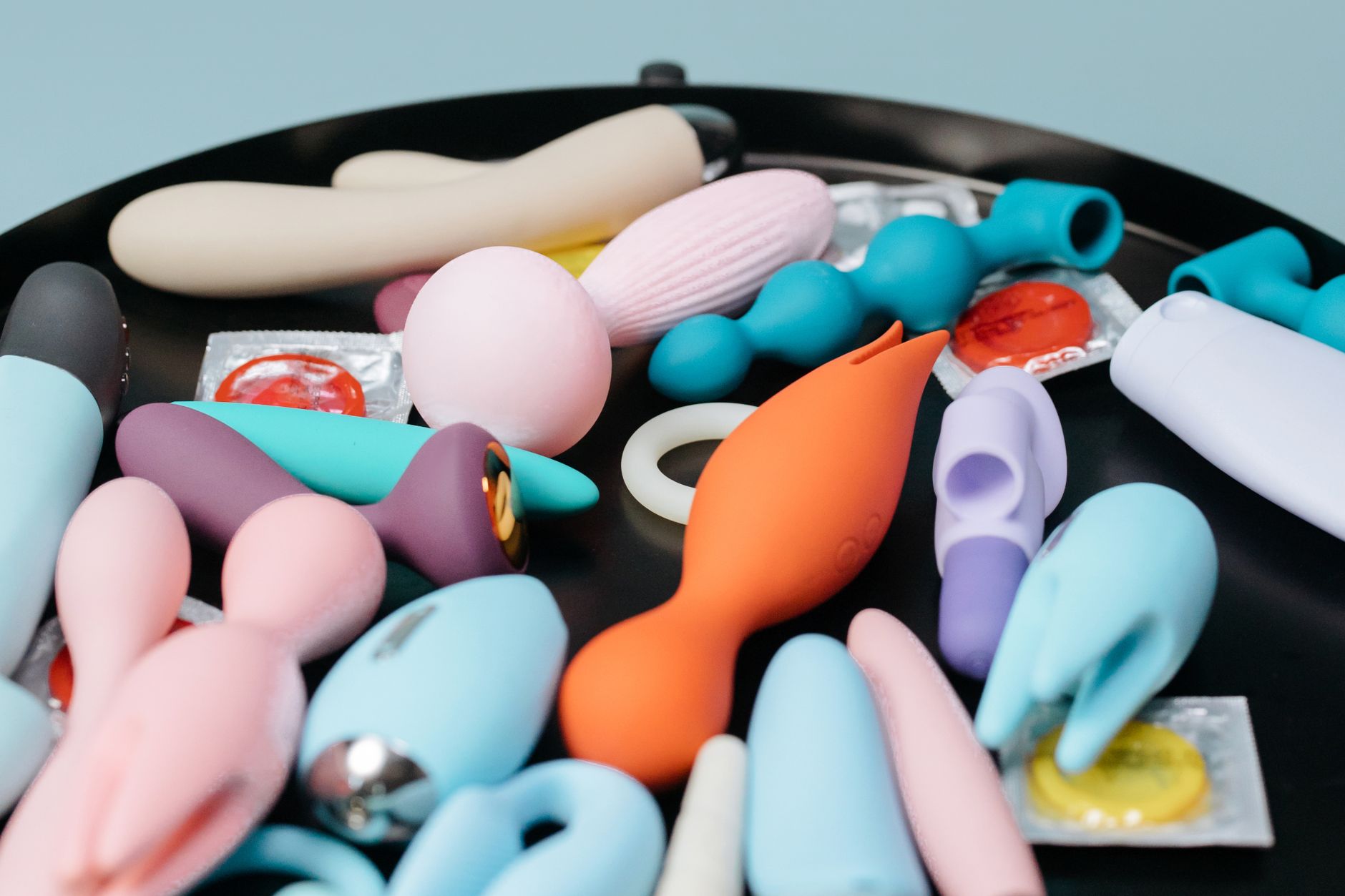
You meet someone new after 50. The butterflies are real. The sex is different. And if you bring a lemon vibrator into the mix, everything feels unfamiliar. Not bad. Just different. This is not about age or declining desire. It's about the fact that your nervous system is recalibrating in real time, and that changes everything about how sensation registers.
I work with a lot of people navigating this exact moment. The surprise is rarely the physical part. It's the psychological vertigo of pleasure that doesn't match the neural patterns you built over decades with a previous partner.
If you spent 20, 30, or 40 years with one partner, your body learned their rhythm. Your nervous system became exquisitely attuned to their touch, their timing, the predictable architecture of what came next. You built what neuroscientists call "reward prediction" patterns. Your brain learned when pleasure was coming and primed your body accordingly.
This happens unconsciously. You weren't studying your partner's technique. You were just living. But your brainstem was learning. Your skin was learning. Your arousal response was calibrated to a specific person's specific approach.
Then that relationship ends. You might feel like you've lost sexual fluency. But what's actually happened is simpler: you've lost the familiar.
When you start sleeping with someone new over 50, three things happen at once.
First, novelty hits your dopamine system hard. This is the "high" of new attraction. It's real chemistry, not imagination. But it also makes everything feel slightly janky because your body isn't primed. Your partner's touch lands differently than the touch you spent decades learning. The tempo is different. The pressure is different. The rhythm is different. Sometimes better, sometimes more startling.
Second, vulnerability resets. If you've been with one person for decades, you developed a kind of sexual complacency. Not always good. Sometimes this meant less performance anxiety, more genuine pleasure. But sometimes it meant you'd stopped paying attention. With a new partner, you're hyperaware again. You're nervous. You're trying to figure out what they like, what you like in this new configuration, whether your body is doing the thing you want it to do.
Third, the lemon vibrator becomes a negotiation. You're not just using it for your own pleasure anymore. You're managing what it signals to your partner. Does it mean you're not satisfied with them? Does it make them insecure? Are they going to feel like they're watching you climax on a device instead of with them? These conversations often don't happen explicitly, which means they happen in your nervous system instead.
All three of these forces make sensation feel different.
A clitoral suction toy like the Lem works by creating consistent, concentrated stimulation. It doesn't vary. It doesn't get tired. It doesn't speed up or slow down based on your partner's arousal or anxiety.
When you've been using a particular toy alone for years, your body knows exactly what to expect. You know which pattern gets you there. You know how long it takes. You know the arc.
With a new partner in the room, even if they're just watching or holding you, your nervous system isn't in the same state. You might feel more self-conscious. You might be hyperaware of their breathing, their facial expression, whether they seem engaged or uncomfortable. That social monitoring changes your arousal baseline.
Many people report that a lemon vibrator feels too intense, too fast, or almost numb when they're using it for the first time with a new partner. This isn't the toy. It's your nervous system running two programs at once. One is focused on pleasure. The other is running a low-level threat assessment of the social environment.
If you're in a new relationship over 50 and finding that your favorite lemon clitoral vibrator feels different, look at these three areas.
Trust and safety with the partner. This is the foundation. If you don't feel genuinely safe with someone, your nervous system won't fully relax into pleasure. This doesn't mean they have to be perfect. It means they have to be genuinely curious about your pleasure, not threatened by it. If you feel like you have to apologize for using a vibrator or hide your pleasure, your body will hold back. It's not a choice.
Communication about the toy itself. Have you told your partner what you like? Have you explained that using a lemon vibrator isn't about them not being enough? Sometimes the silence around the toy creates more charge than the toy itself. If you can say out loud, "I get off fastest with this specific pattern and pressure," your partner's job becomes simple. They're not competing with the toy. They're learning about you.
Your own relationship to solo pleasure. If you spent decades using solo pleasure one way, and now you're introducing a partner, your body might need time to recalibrate. Some people find that they actually need a few sessions alone with the toy before they can bring it into partnered sex. That's not a red flag. That's just your nervous system asking for continuity before it adjusts to change.
If you're three weeks in and a lemon vibrator feels off, give it at least a month of consistent use with your partner present. Your nervous system is still treating them as a variable. Once they become familiar, the sensation will shift again.
If you're three months in and the toy still feels wrong, or if your partner is making you feel ashamed of using it, that's a different conversation. You might need to explore the communication piece more deeply. Or you might find that a different toy, different setting, or different timing works better in this new configuration.
The goal isn't to recreate what you had before. It's to build something new that works for both of you.
Over 50, your nervous system is less plastic than it was at 25. But it's not frozen. It's still learning. That's actually good news. It means that what feels weird now can feel natural with repetition and genuine safety. Your body hasn't lost the ability to adapt. It's just asking for time, honesty, and a partner who isn't threatened by your pleasure.
The lemon vibrator isn't the variable here. Your nervous system's relationship to novelty, safety, and partner presence is. Once you understand that, you can work with it instead of against it.
Your parasympathetic nervous system partially deactivates when you're socially monitored, especially by someone new. Even if you trust them, part of your brain is still running a threat assessment. This reduces blood flow to your clitoris slightly and can make the same vibration pattern feel duller. It's not the toy. It's that your attention is split.
Completely normal. Many people need to start at a lower intensity setting when a partner is present, even though they'd go straight to pattern 5 when alone. This usually shifts after 2-3 months of regular partnered use. Your nervous system just needs time to categorize the new partner as safe.
Yes, often. Once the initial novelty anxiety settles, people frequently report that sex after 50 with a new partner is better than ever. Less performance pressure, more self-knowledge, and often more genuine communication. The adjustment period is real, but it's usually temporary.
There's no rule. Some couples integrate toys immediately. Others wait a few months until the relationship feels more solid. The key is that both of you feel genuinely curious, not defensive or ashamed. If either of you feels uncomfortable, that's worth talking about before the toy comes out.
This often traces back to older messaging about what female pleasure should look like. You internalized an idea that you should come only through partnered sex, so the toy feels like a betrayal. It's not. Your pleasure is legitimate regardless of how it arrives. A partner who gets that makes everything better.
Absolutely. Some people find that having their partner hold the toy, or applying it while they kiss, or managing the pattern changes actually deepens intimacy. It removes the sense that the toy is a third party and makes it collaborative. This often requires vulnerability and trust, but when it works, it works beautifully.
Starting a new relationship over 50 is not a return to youth. It's a completely different experience. Your body has decades of history. Your nervous system is more sensitive to threat and novelty. Your expectations are higher because you know better what you want.
When a lemon vibrator feels different in this new context, you're not broken. You're just experiencing the real, unglamorous work of building pleasure with someone new. Give it time. Communicate clearly. And remember that the best sex after 50 usually happens with a partner who genuinely wants you to feel good, whether that's with a toy or without one.